

There are two very easy and effectual remedies, however, by whose joint operation the state might, without violence, correct whatever was unsocial or disagreeably rigorous in the morals of all the little sects into which the country was divided.
The first of those remedies is the study of science and philosophy, which the state might render almost universal among all people of middling or more than middling rank and fortune; not by giving salaries to teachers in order to make them negligent and idle, but by instituting some sort of probation, even in the higher and more difficult sciences, to be undergone by every person before he was permitted to exercise any liberal profession, or before he could be received as a candidate for any honourable office, of trust or profit. If the state imposed upon this order of men the necessity of learning, it would have no occasion to give itself any trouble about providing them with proper teachers. They would soon find better teachers for themselves, than any whom the state could provide for them. Science is the great antidote to the poison of enthusiasm and superstition; and where all the superior ranks of people were secured from it, the inferior ranks could not be much exposed to it.
The second of those remedies is the frequency and gaiety of public diversions. The state, by encouraging, that is, by giving entire liberty to all those who, from their own interest, would attempt, without scandal or indecency, to amuse and divert the people by painting, poetry, music, dancing; by all sorts of dramatic representations and exhibitions; would easily dissipate, in the greater part of them, that melancholy and gloomy humour which is almost always the nurse of popular superstition and enthusiasm. Public diversions have always been the objects of dread and hatred to all the fanatical promoters of those popular frenzies. The gaiety and good humour which those diversions inspire, were altogether inconsistent with that temper of mind which was fittest for their purpose, or which they could best work upon. Dramatic representations, besides, frequently exposing their artifices to public ridicule, and sometimes even to public execration, were, upon that account, more than all other diversions, the objects of their peculiar abhorrence.
There are other many excellent discussions of the arts and humanities, public education, and state provision of such, in Book V of The Wealth of Nations, published 250 years ago today.
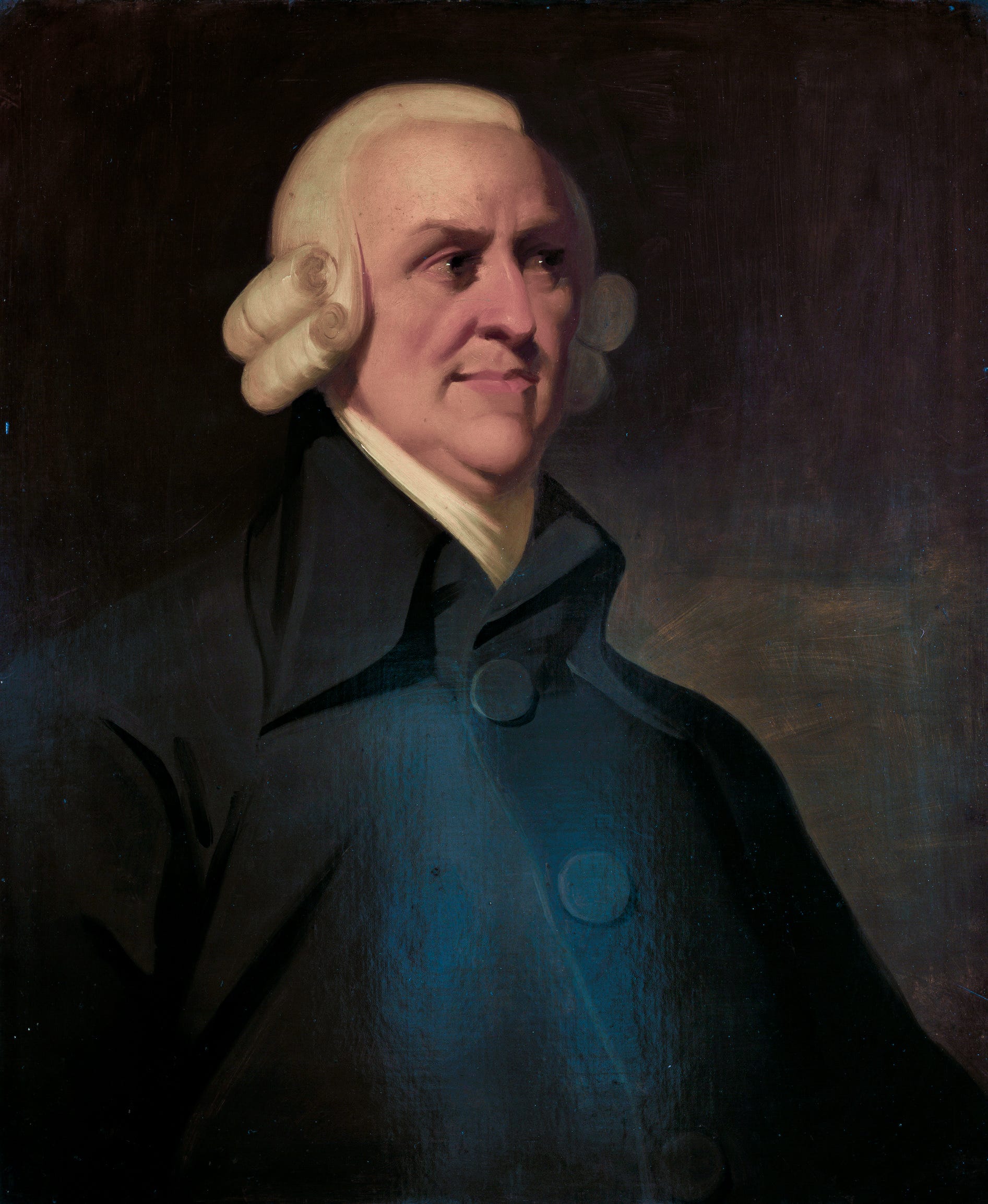
Smith's two remedies for social dysfunction: teach people to think, and give them reasons to be in good humor. 250 years old and still a better policy framework than most of what gets proposed today.
"Dramatic representations, besides, frequently exposing their artifices to public ridicule, and sometimes even to public execration, were, upon that account, more than all other diversions, the objects of their* peculiar abhorrence."
* the fantaical promoters of popular superstition and enthusiasm
It is sentiments and ideas like this one that most invokers of Adam Smith miss wilfully, lazily, or ignorantly
#maketheaterlive