

Two nights in London. People sigh more in public here. It happened three times before I left Heathrow. On the train platform there were three workers. One to make announcements every three minutes. One to wave his hand and say, “keep moving guys, keep moving.” And, as far as I could tell, one to wave his arms back and forth and clap his hands. He nodded hello to the driver when the train arrived too. The Elizabeth Line is splendid, but why must it stop so much? Just go straight to Paddington… And then, ah yes, I remember now, you can’t take a train without a police announcement telling you to report suspicious behaviour, and another one at the station.
To get an Uber to go 1.2 miles through Farringdon would have cost £27, which is about $36. I tried the bus, one of the new ones with usb chargers, but the air conditioning was so inadequate that it was hotter than the street. There is air conditioning in most restaurants and hotels (telling that you need it there with no talk of turning it off because of climate change) but not in pubs.
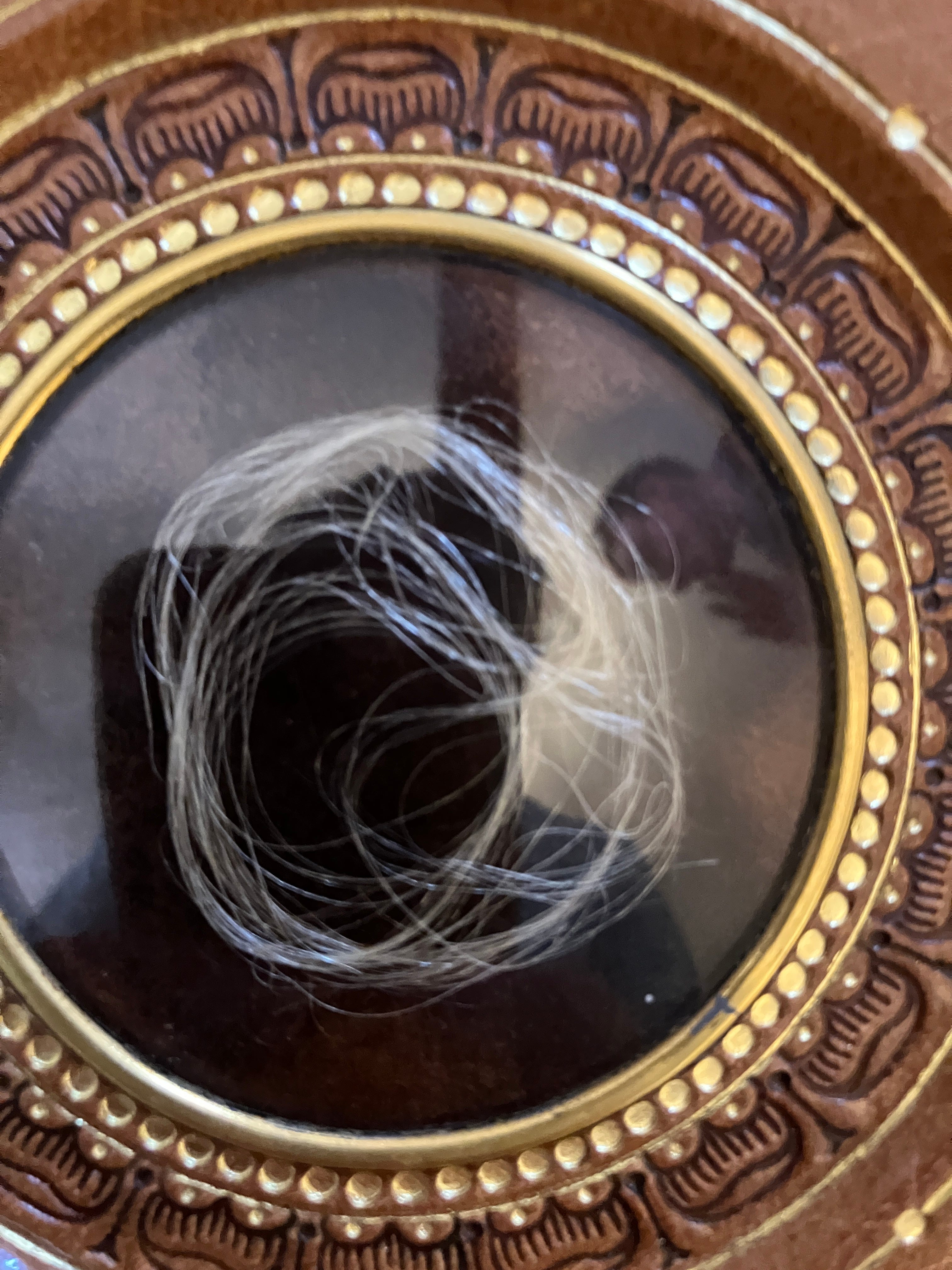
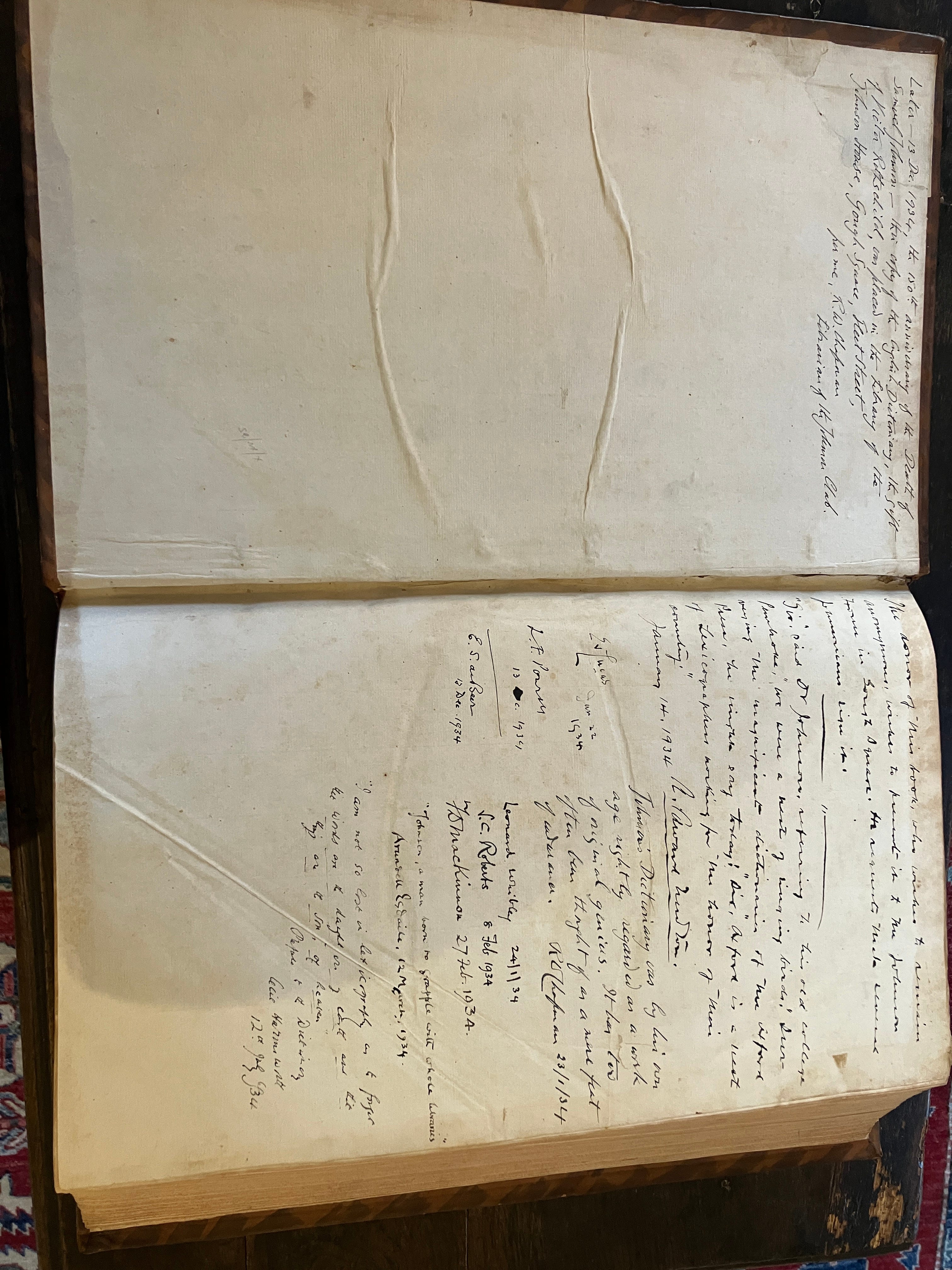
At the Dr. Johnson House, James Marriott and I discussed the future of civilization. He worries that the decline of reading means the end of democracy. I think we are facing a disruption to which we will need to adapt. Just because we have not yet had democracy without mass literacy, doesn’t mean we can’t. More concerning to me than whether adults read novels is the fact that children are not being brought up to read enough. The schools are what most need reforming. James has written a polemical book (coming in September, I enjoyed it, and anyone who enjoyed his Substack post about it will enjoy the book) but he is a genial, affable, quietly insistent person, and he makes his case without any bluster or alarm. The best part of the evening was when we were shown an original copy of the Dictionary and a lock of the great man’s hair.
To the Duke of York Theatre (where Peter Pan first played) to see the new production of Arcadia. This is a great play, worth hearing, but alas this is a mediocre production. Many of the jokes fell flat. A lot of the dialogue lacked feeling. Some actors over egged the pudding (Benedict), some underbaked it (Hannah), and some simply weren’t enough for the role (Septimus). My worries that the London theatre has entered a decline were not assuaged. Perhaps I am too nostalgic for the days of Maggie Smith and Penelope Keith, but seeing a second-rate production like this makes me wish I had been there to see Felicity Kendal in the original. Modern actors often lack true theatrical skills.
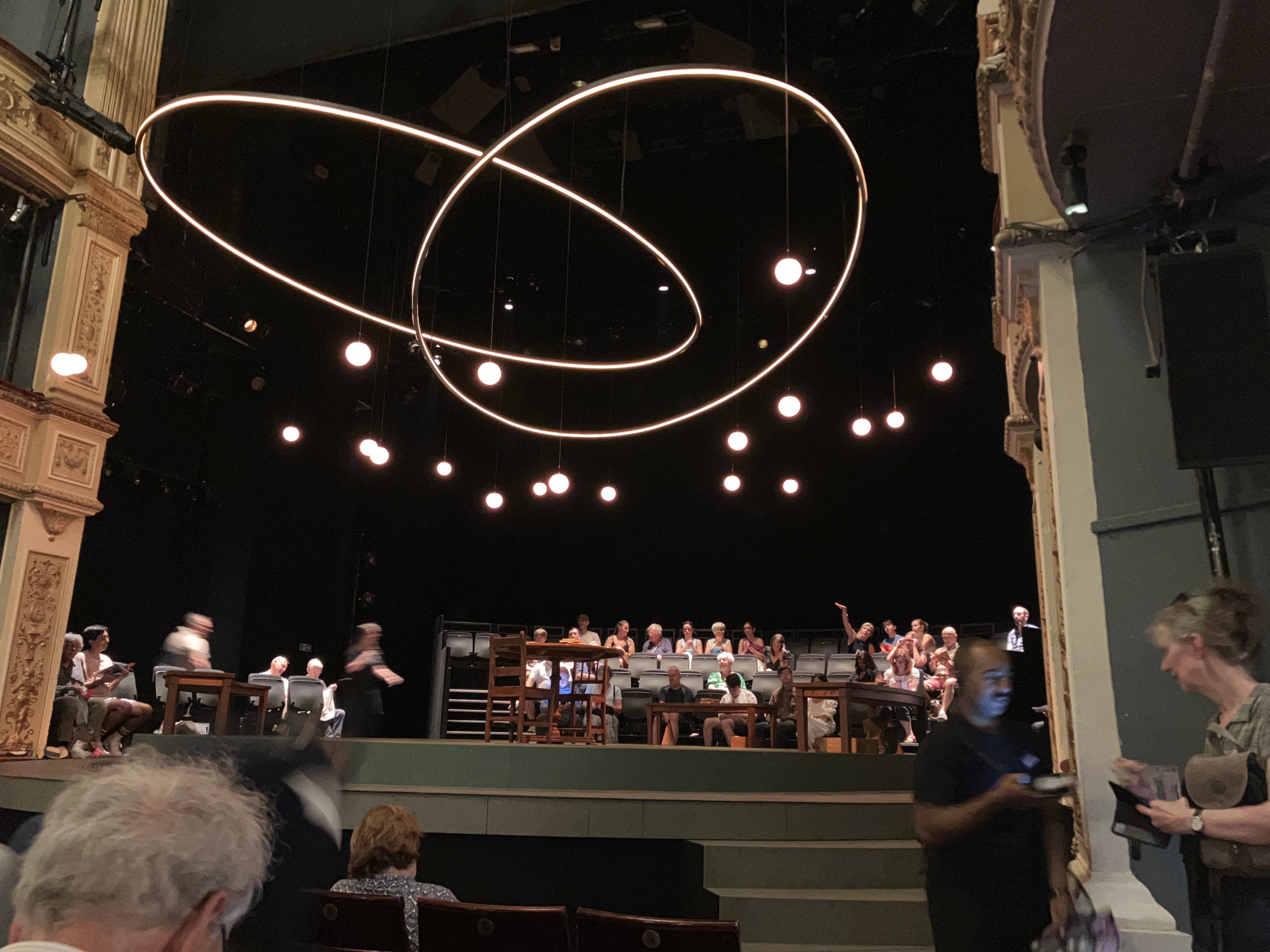
The production is designed to feel like a streaming show. The actors have microphones, flattening the tone of their voices. The play is staged in the round (a mistake in my view: the house requires to be seen and felt as a house, with gardens, furniture, and so on, not an open, empty space), and each scene begins with a series of characters striking a pose, with some opening-credits-esque music, while a weird light show rotates above them. It is an obvious attempt to make it look like Netflix. As is so often the case, the very final moments of the play depart from the stage directions as printed, to little effect.
Arcadia’s real theme, beyond all the science-and-art together stuff, is the unknowability of history. Anyone who has been involved in real world events that people online tried to understand by reading the tea leaves of the internet—or indeed who has heard gossip about a mutual acquaintance, about who you know the facts—knows that there is no real history. Stoppard’s genius is to make both comedy and tragedy out of that fact. That is what makes Thomasina’s waltz at the end so sad, and it is why the corny final moments of this production, in which she stands on a chair and reaches towards the lights above the stage (an attempt to represent “science vibes”—look! atoms!) are so corny and against the spirit of the text.
And yet there was, from about a third of the audience, a standing ovation. Nonsense! Sit down! Have some respect for art!
“At the Dr. Johnson House, James Marriott and I discussed the future of civilization. He worries that the decline of reading means the end of democracy.”
If you think about it, “mass literacy“ is a pretty low bar for democracy. My father was an attorney and a great reader all his life. In his later years he started to claim a Kallipolis of philosopher kings (cf Plato’s Republic) might be preferred to democracy. (He was unafraid of idiosyncratic opinions.)
My granddaughter is off to college this year. She has never been a reader, but on extended visits I always read to her for an hour or two every night. A couple of years ago she started sharing the reading, sometimes doing it all. She also solved before the ending the first Agatha Christie we read ~~ via pausing and peppering herself with questions!
Just in the last year she has started her own volition reading novels (decent ones!). Sometimes seeds do sprout!
I've noticed that standing ovations are now almost the default reaction in many London theatres, no matter how mediocre the production. I'm not exactly sure when this happened. It's very annoying
By the way, is it possible to access any of your previous lectures/book club sessions (both on your substack and the ones recorded with interintellect)? I'm a newcomer to your Substack and would love to be able to access past talks/lectures!