

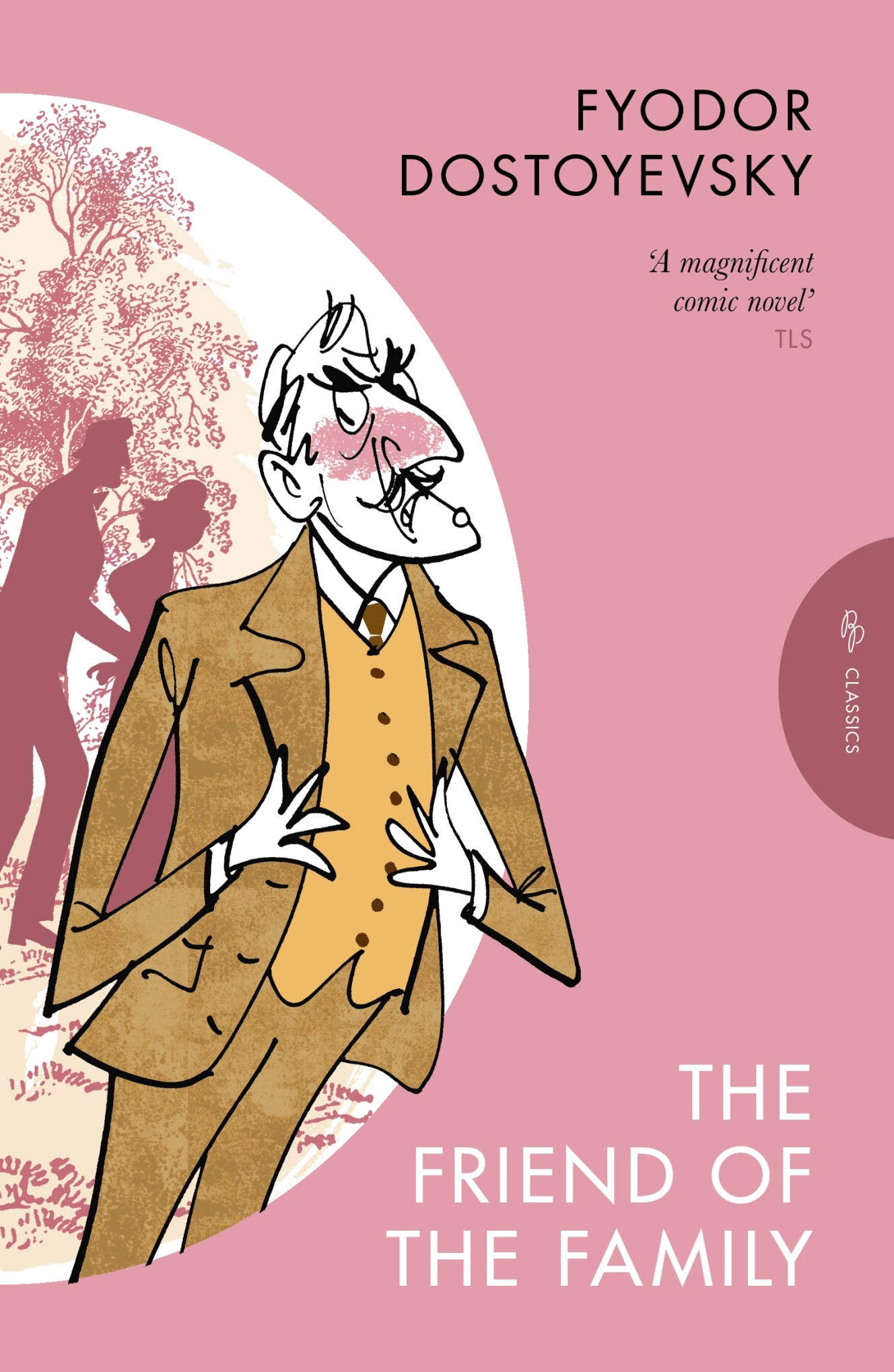
I am in the Sunday Times this weekend, writing about Dostoevsky, social media, and a new translation of A Friend of the Family.
Why does Fyodor Dostoevsky keep going viral? Screenshots from the novels of the 19th-century Russian writer circulate constantly online, praised as insights into the human condition. Mostly they are the sorts of aphorisms you might otherwise find on cushions or those wooden signs people keep in their kitchen. “A man who lies to himself is often the first to take offence.” “Man is fond of counting his troubles, but he does not count his joys.”
This sort of thing caused Dostoevsky’s novella White Nights, published by Penguin in its range of chic (and inexpensive) Little Black Classics, to go viral on TikTok in 2024. It happened after an emotional review from Jack Edwards, who calls himself “the internet’s resident librarian” and has more than 800,000 followers on TikTok. White Nights became such a sensation that tens of millions of posts were marked with #Dostoevsky and the book, about a lonely St Petersburg man who falls in love (unrequitedly) with a young woman, became a bestseller. It was the quotable quotes that did it. “And if I’d already loved you for 20 years, I still couldn’t love you more than I do right now.”
“Your worst sin is that you have destroyed and betrayed yourself for nothing,” from Crime and Punishment, is another popular one. But what does it mean? Isn’t this all a bit melodramatic or, dare I say, meaningless? The sort of thing you might find in Jordan Peterson’s 12 Rules for Life? The mania for White Nights started with a tweet that reads: “You think you know what love is but then you read Dostoevsky’s White Nights.” White Nights isn’t going to help a chronically single generation to find stable, happy relationships. This advice is a trap.
I did not The Friend of the Family very funny. The whole piece is here (seems unpaywalled at the moment…)
Great critique of Dostoyevsky's many literary faults. 100% agree he's not nearly as engaging a story teller as Tolstoy or Turgenev. That said, "Devils" has some of the greatest insights into the seductive and transgressive nature of illiberalism that I've ever read. Is it a great and well plotted novel with deep Elliot or Austen-like characters? No -- Dostoyevsky uses archetypes pretty plainly and clearly. And the winding and frenetic prose, with little explanation is not the easiest to consume. But that does nothing to take away the book's power or continuing prescience. I get different pleasures from Dostoyevsky than I get from the great English writers or his Russian contemporaries, but the impact is still significant.
> But what does it mean? Isn’t this all a bit melodramatic or, dare I say, meaningless?
You’re entitled to your opinion, but I wouldn’t dismiss these thoughts are meaningless. Everything seems vapid when it’s churned out of a low context social media quote mill.