

One of the architectural features I enjoy the most are Dutch gables. In London, you can see an especially good stepped gable on Lisle Street behind Leicester Square or enjoy the “Pont Street Dutch” style in Chelsea. (I especially love the south porch of St. Luke’s, Charlton.) Perhaps in another life I would have produced one of those glossy coffee table books “The Gable Fancier’s Guide”. There is an abundance of these sorts of architectural features in London, many of which are the result of the Reformation. The pleasure of walking in London comes from this variety. Architecture is the art of all people.

.jpg)
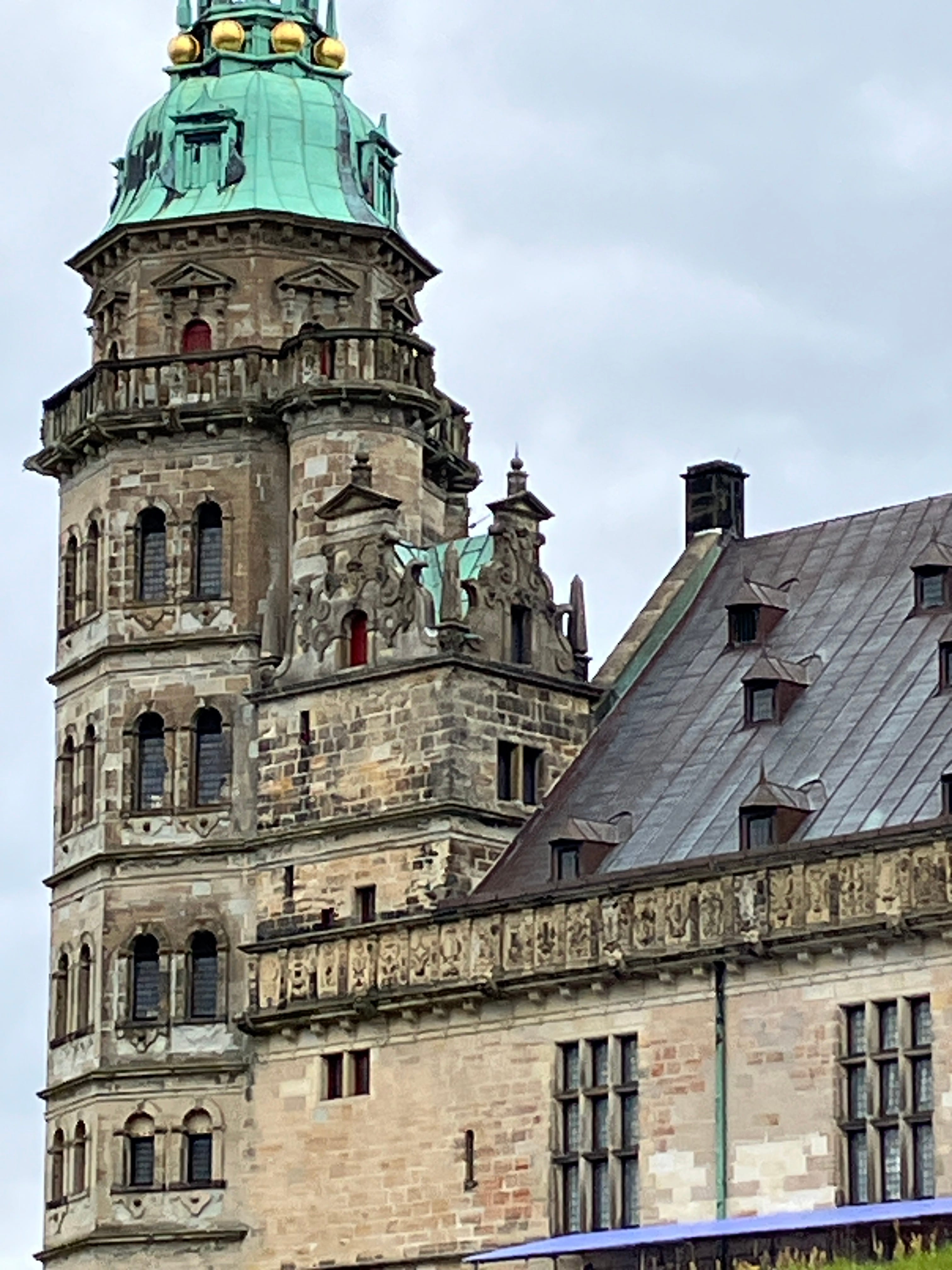
Copenhagen is an excellent city for this sort of architectural pleasure. There are wonderful Dutch gables all over the place here. (The Dutch gable originated in Flanders but is the work of this whole region.) I won’t rank them, but the one I loved the most was on Kronburg Castle in Helsingør, about an hour north of Copenhagen. I am only an amateur architecture enthusiast, so I can offer little more than pictures and enthusiasm. But look at the finials, scrolls, the way the gable banks the left tower, the constant musical patter of squares and pediments, shrinking and expanding across the building. Doesn’t it just send your imagination spinning?
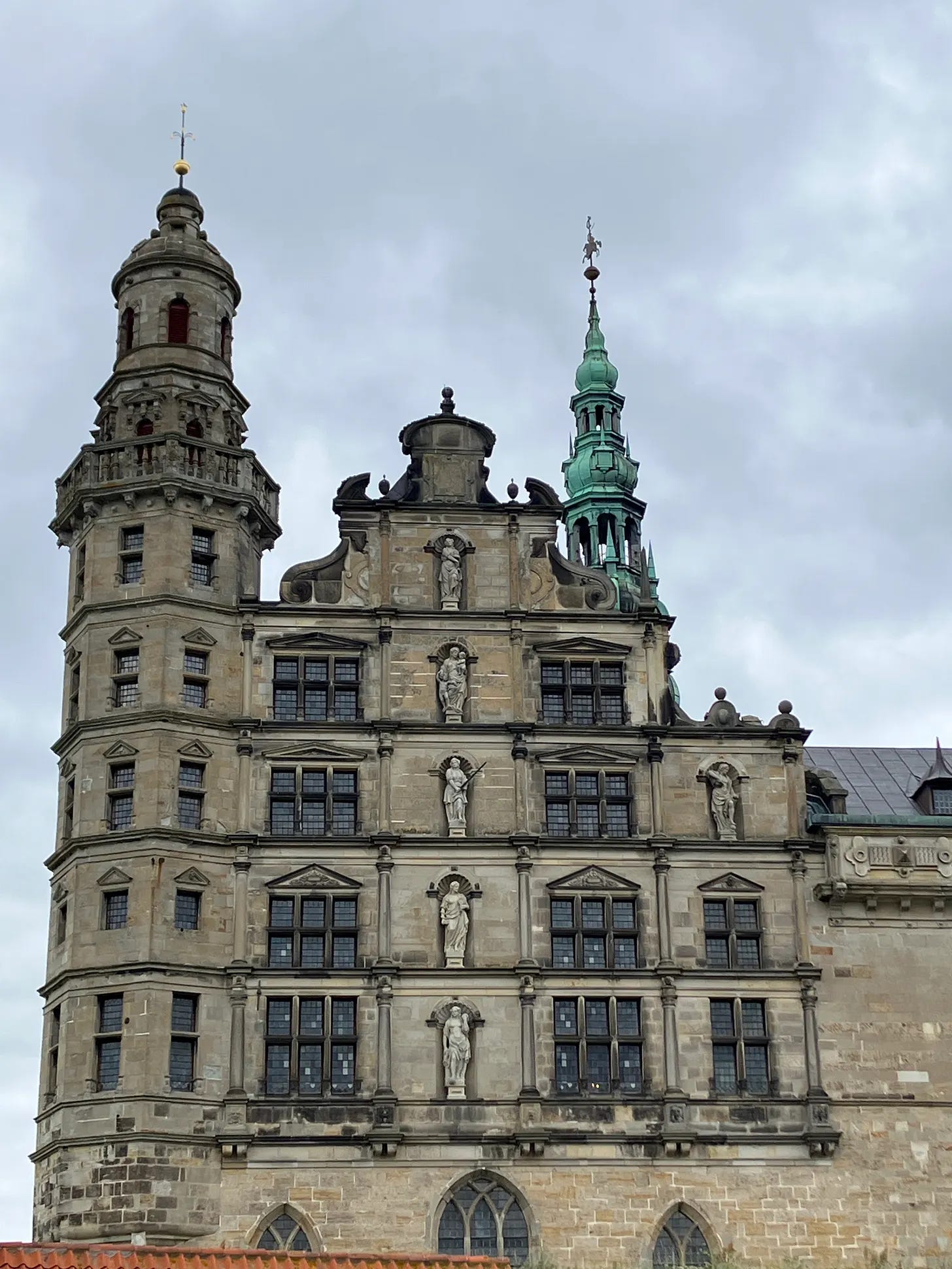
And he is a close-by view of a small two-sided gable.
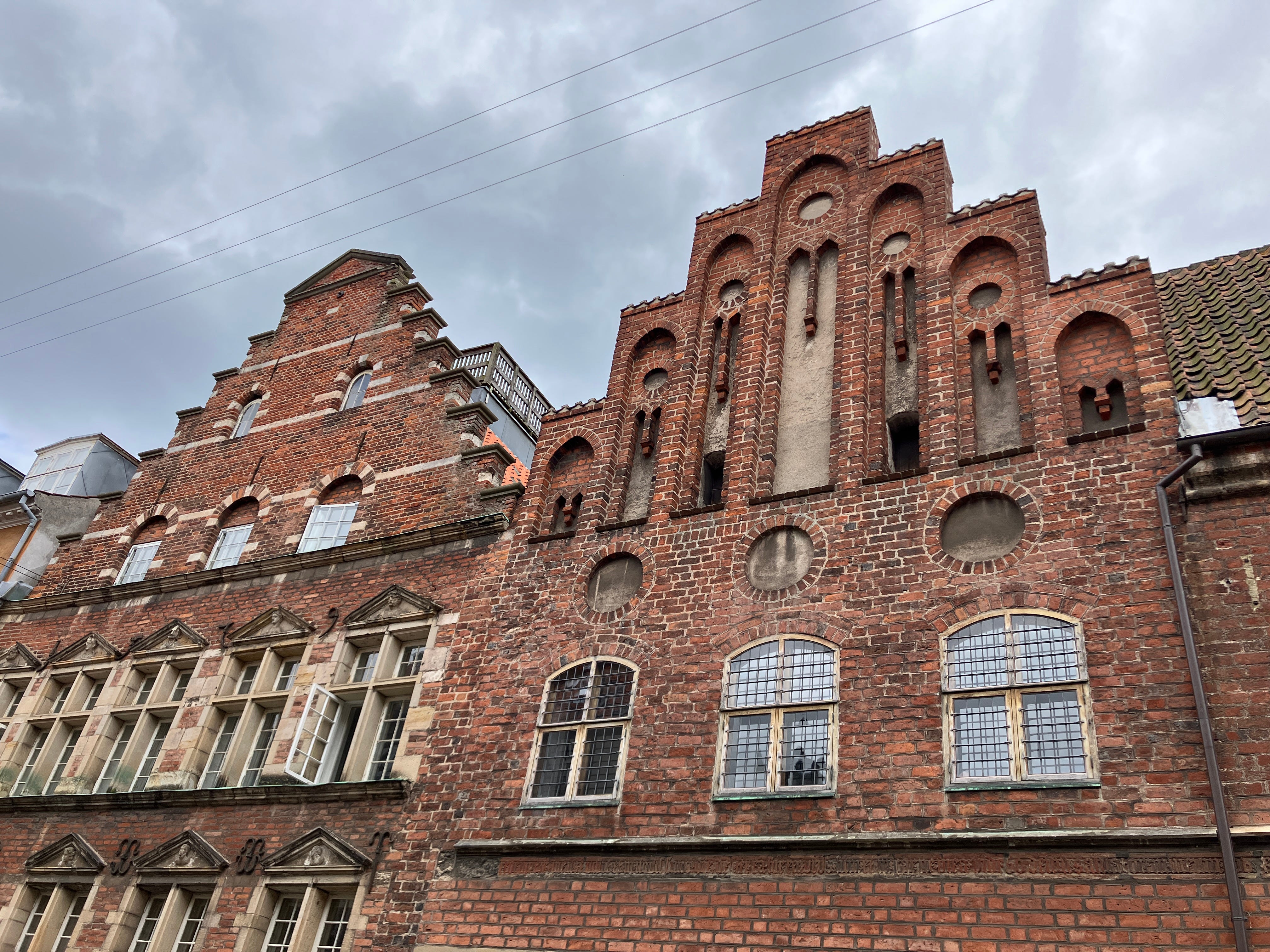
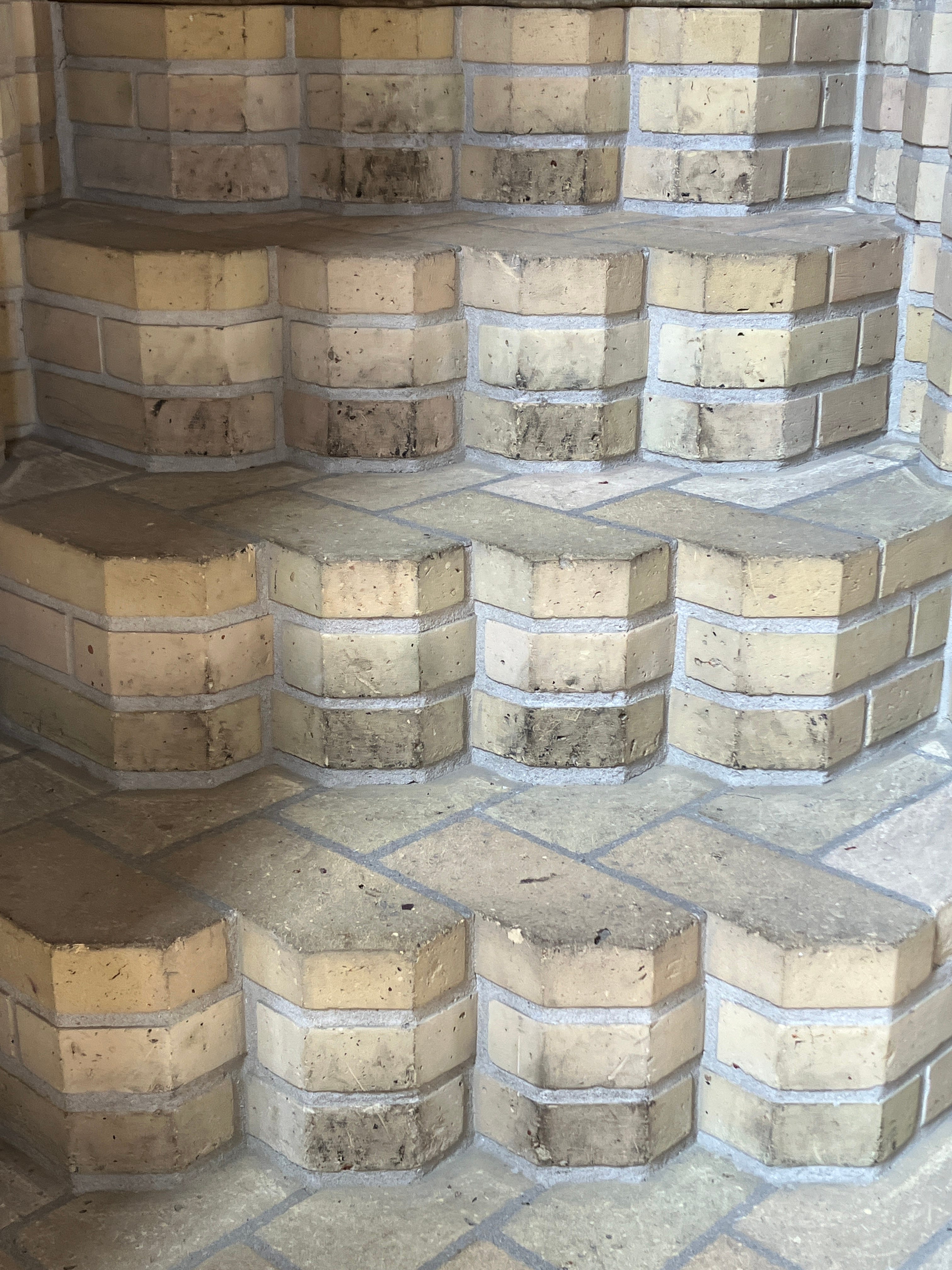
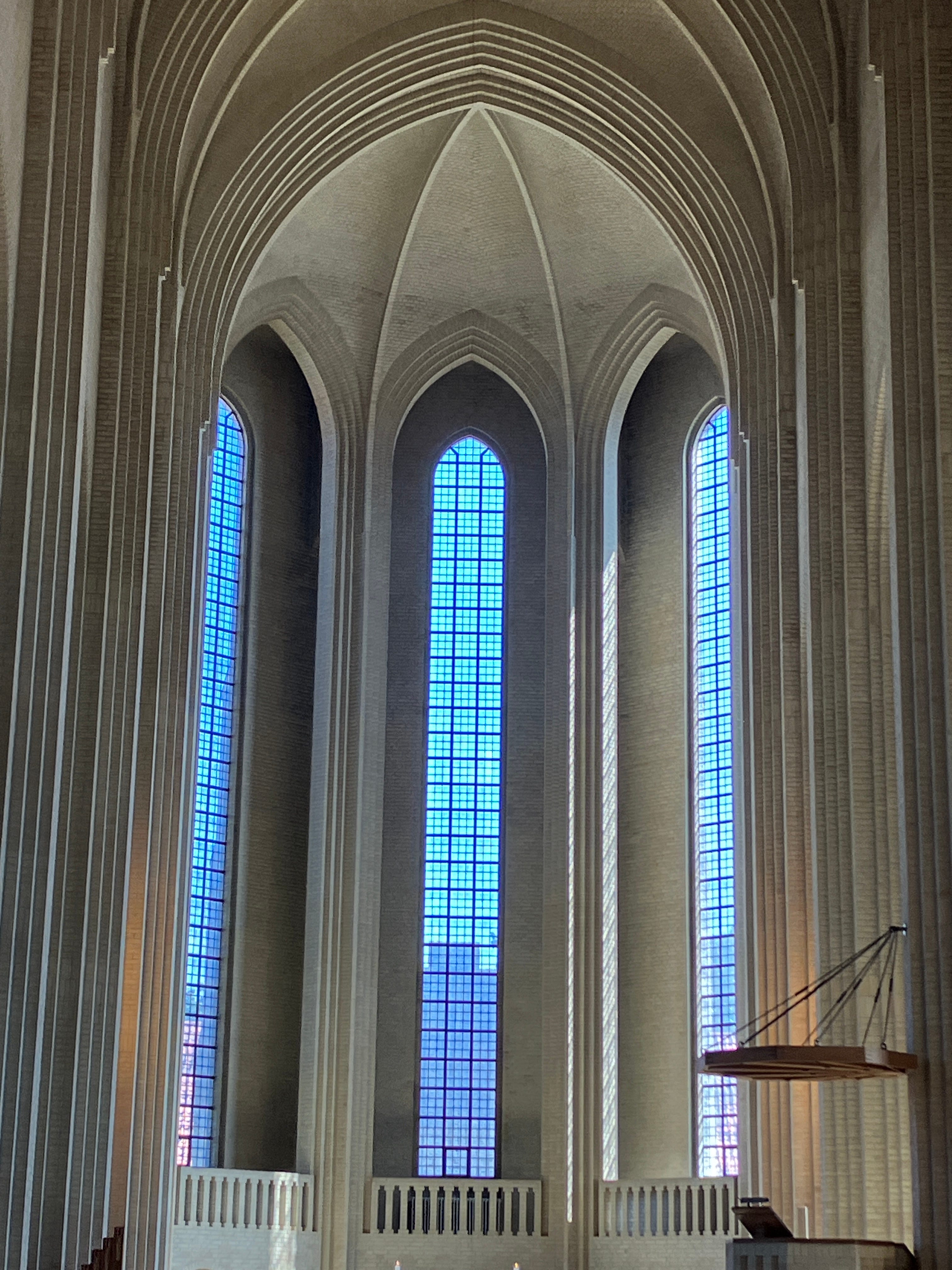
In the town, we found this pair of stepped gables. The one on the left has obvious parallels with the style of Grundtvig’s Church. (I went back there today: pictures of the inside of the church below.)
Here’s another example of the same style.
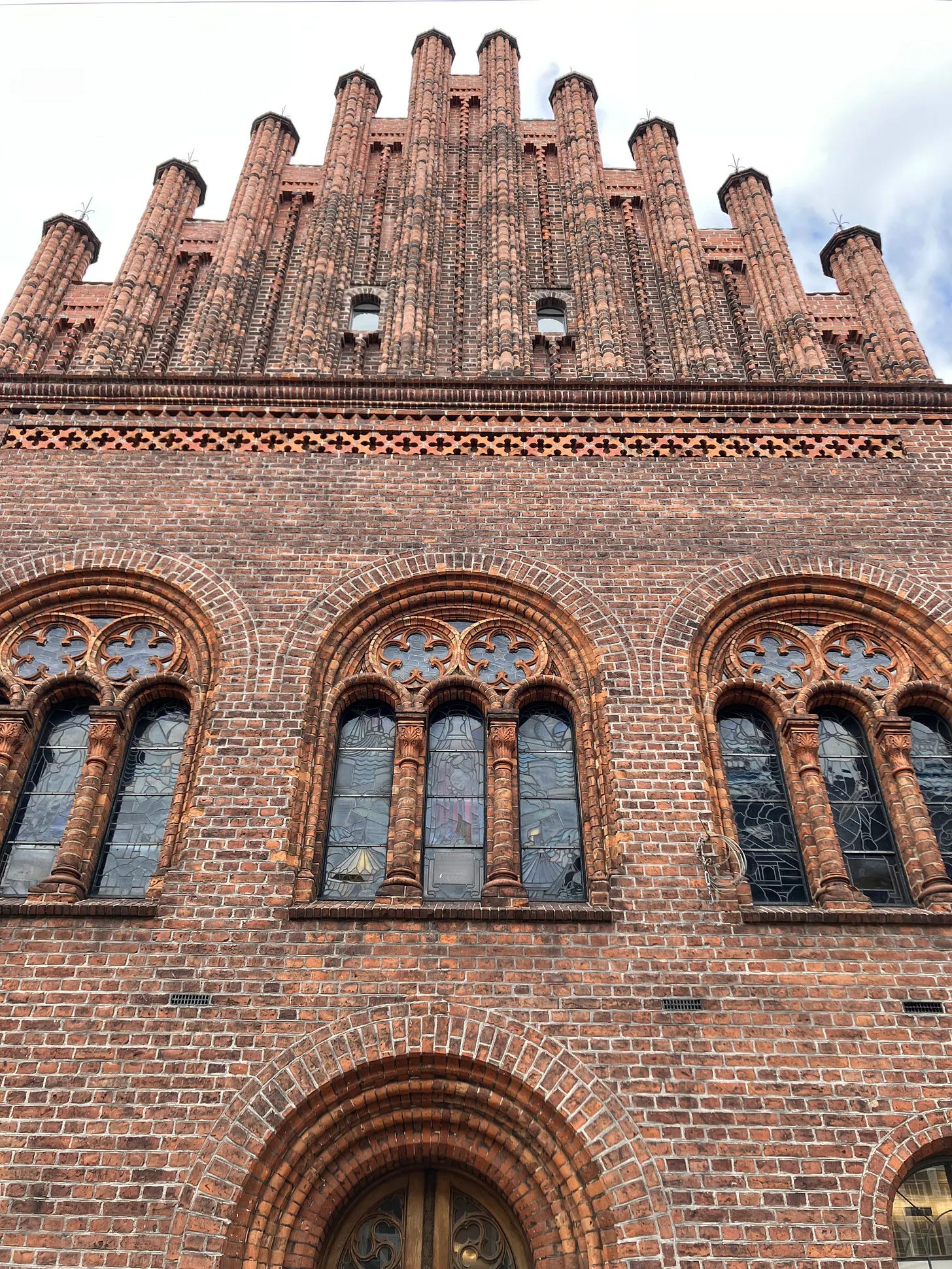
And here is the train station.
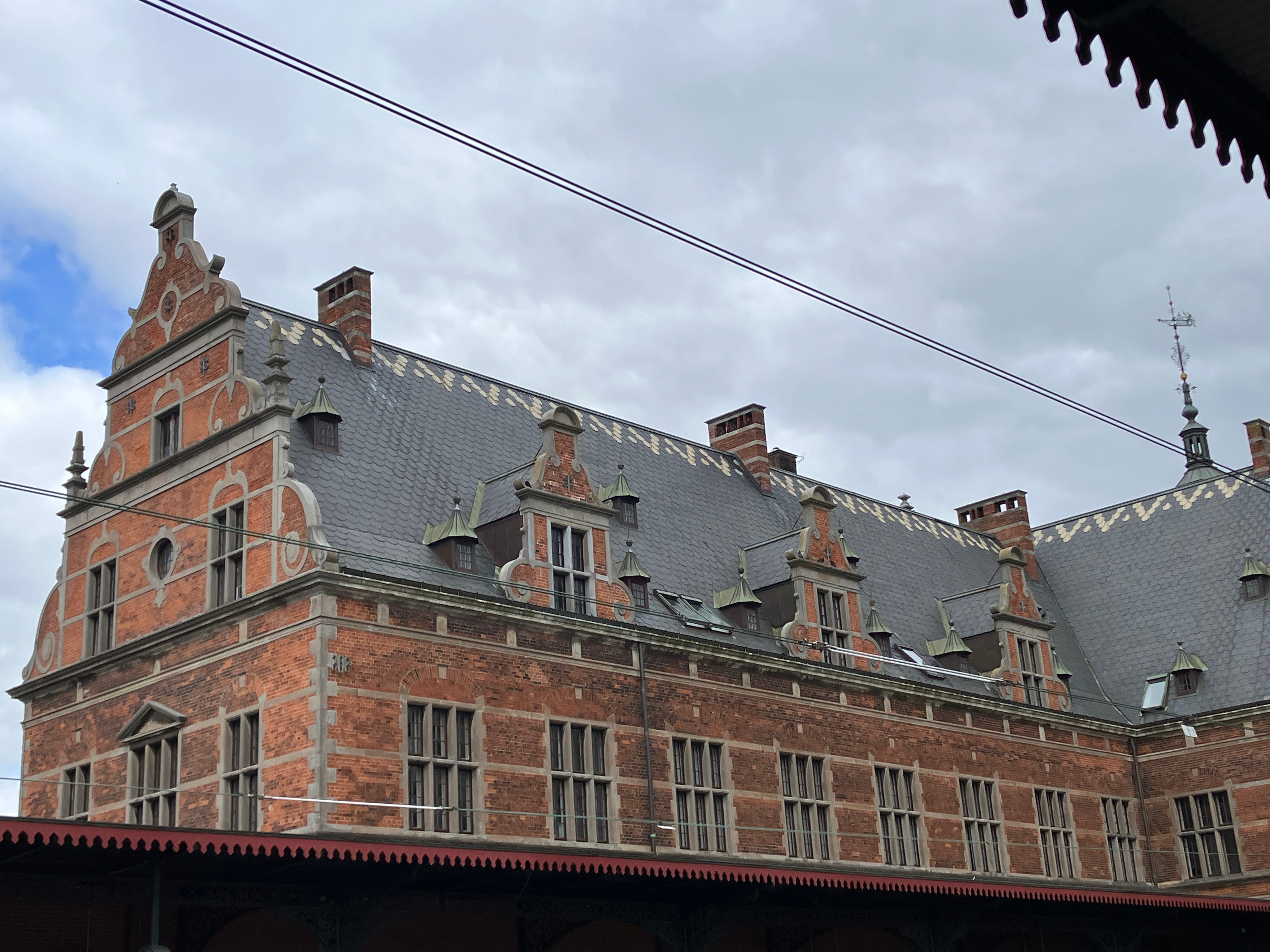
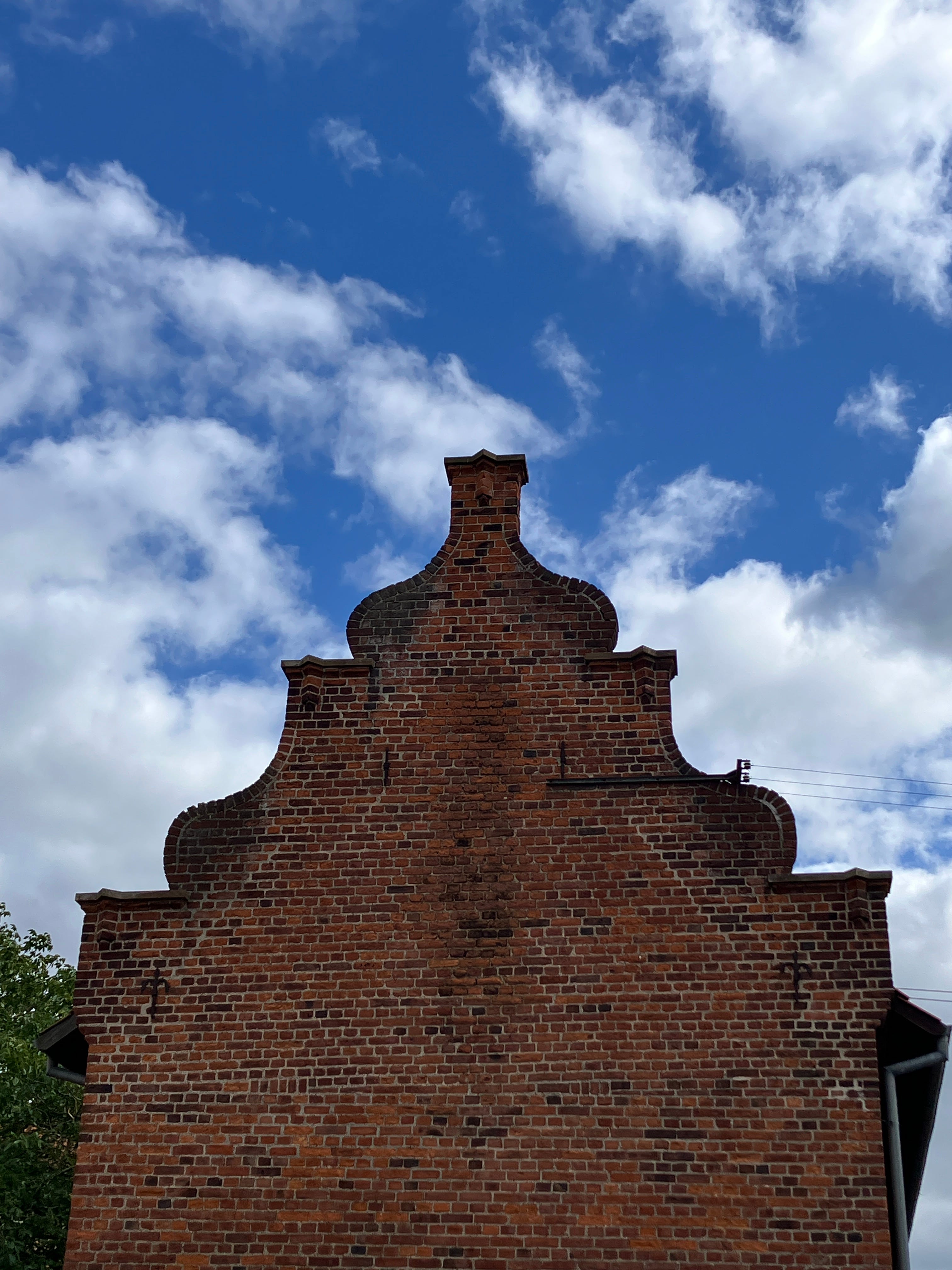
I love the plainness of this one. So many buildings are designed to look nice as part of a street, but the lovely plain design here makes it a beautiful accompaniment to the sky.
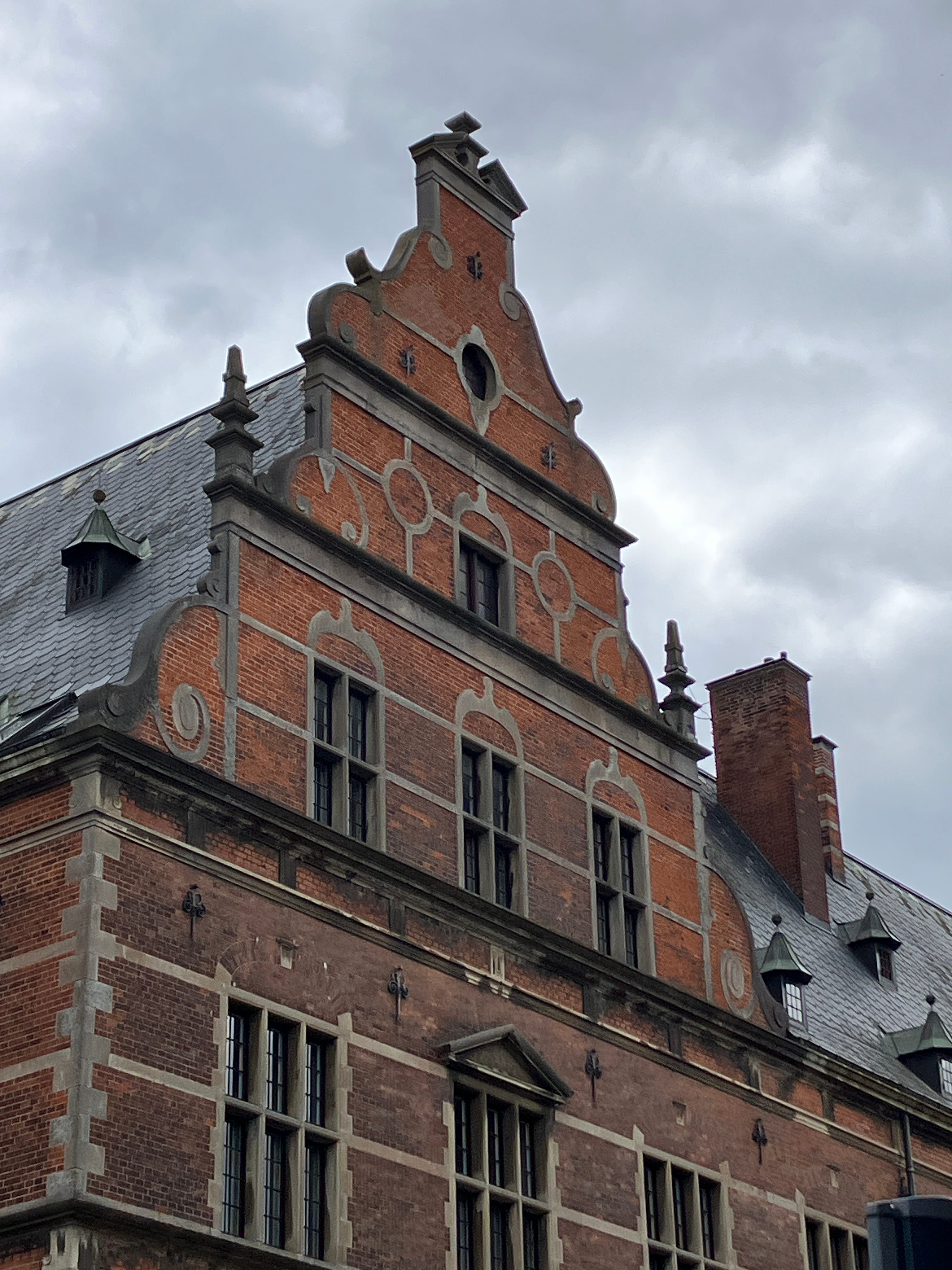
Back in Copenhagen, you can see this sort of thing on the old Stock Exchange,
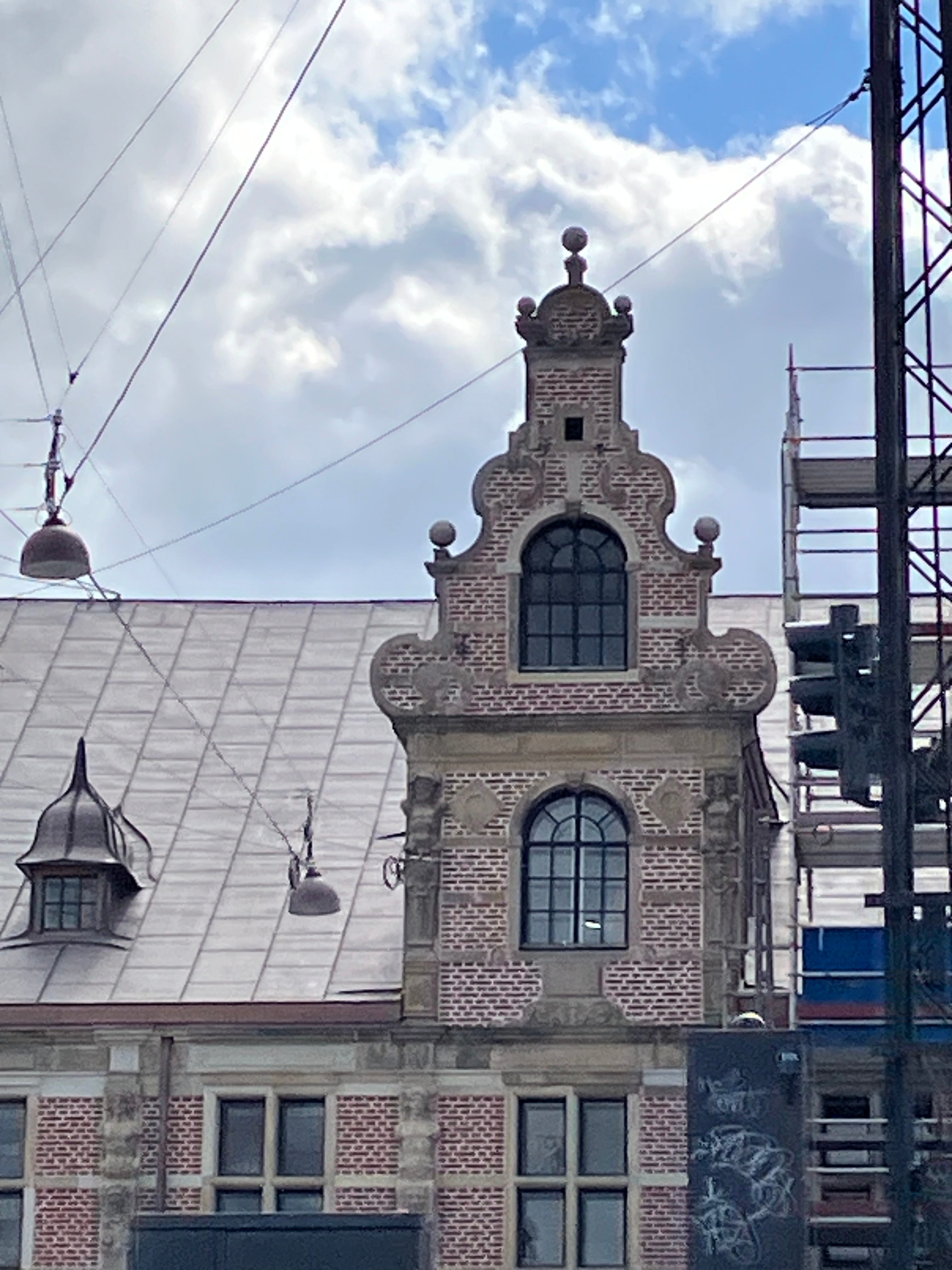
on churches,
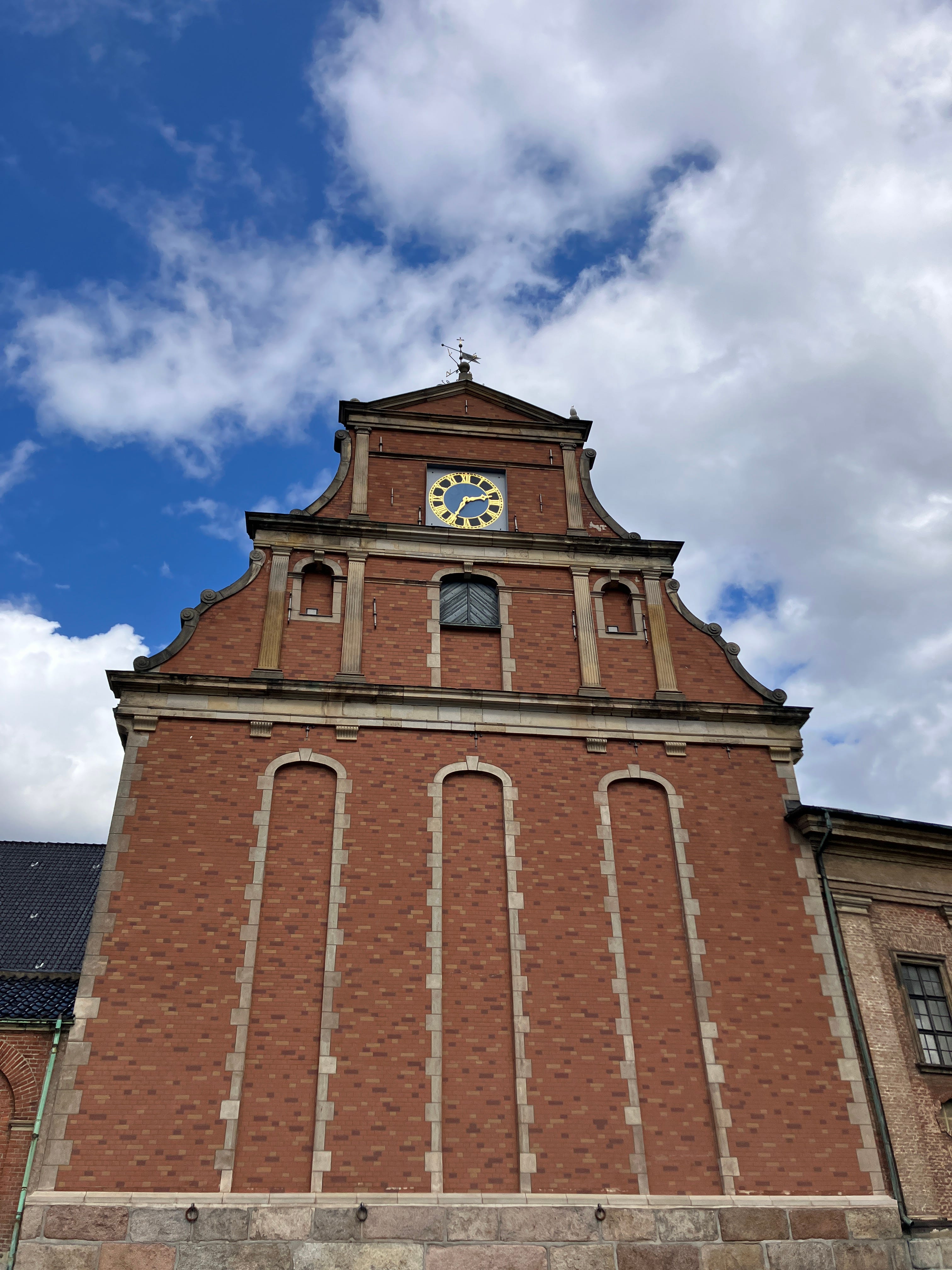
and on homes.
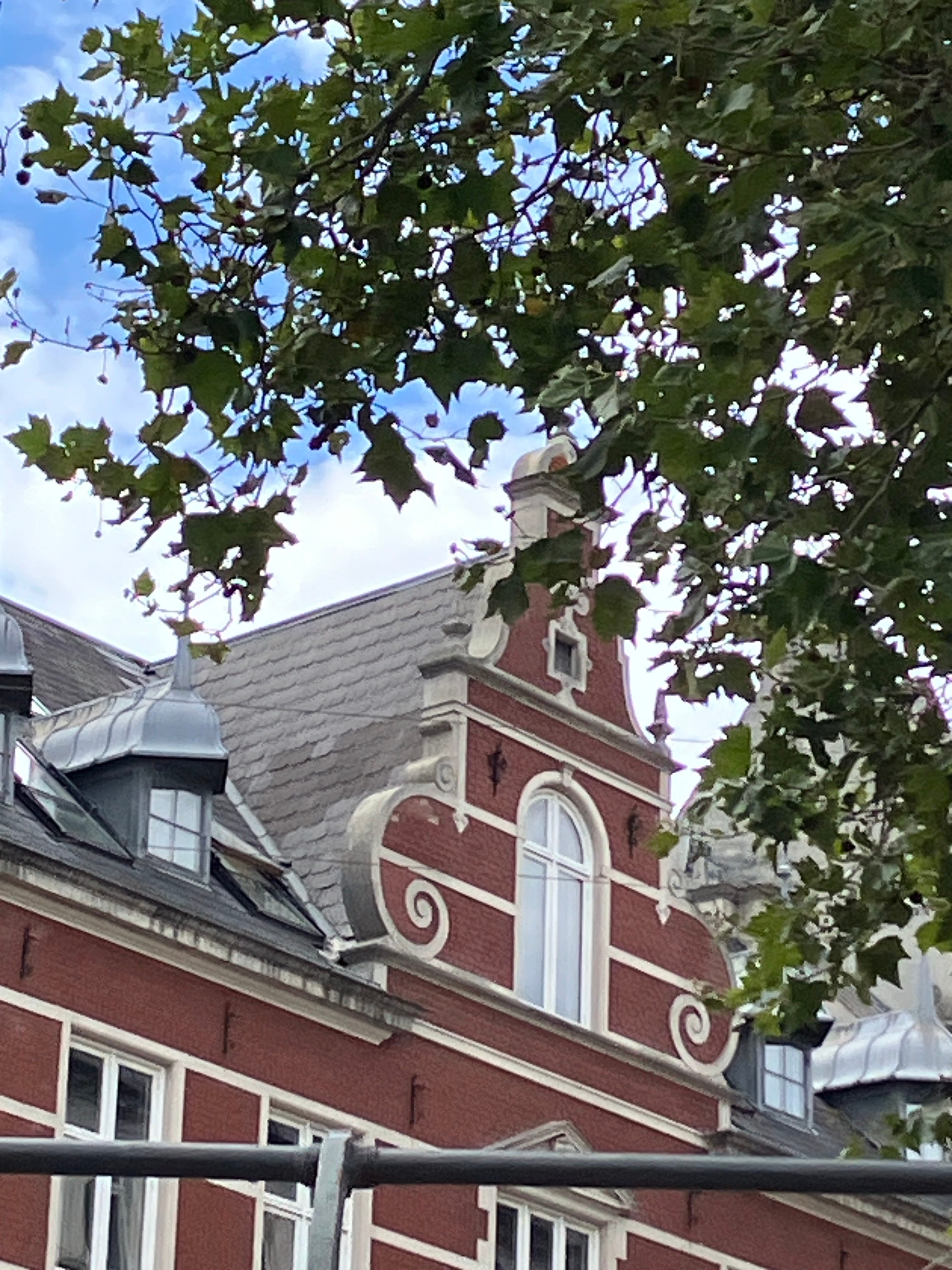
Alas, much of central Copenhagen is littered with truly ugly buildings. You can see here how the vertical-line style has been bastardized into something international and intimidating. It’s like a villainous headquarters. But this is a good place to see clearly the continuities and discontinuities between modernism and the past.
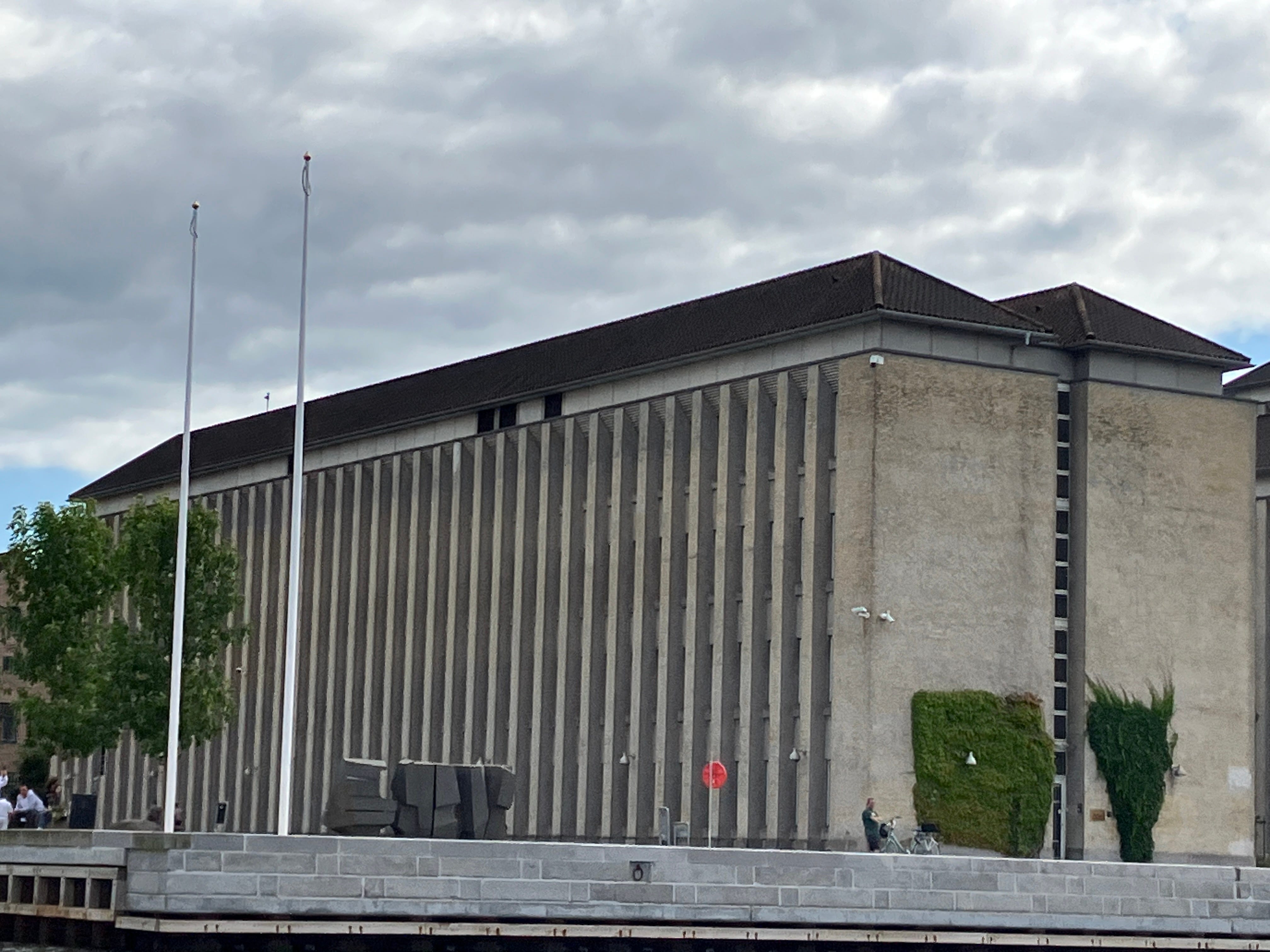
The decline is painfully obvious where old commercial architecture is seen next to its modern inheritors.
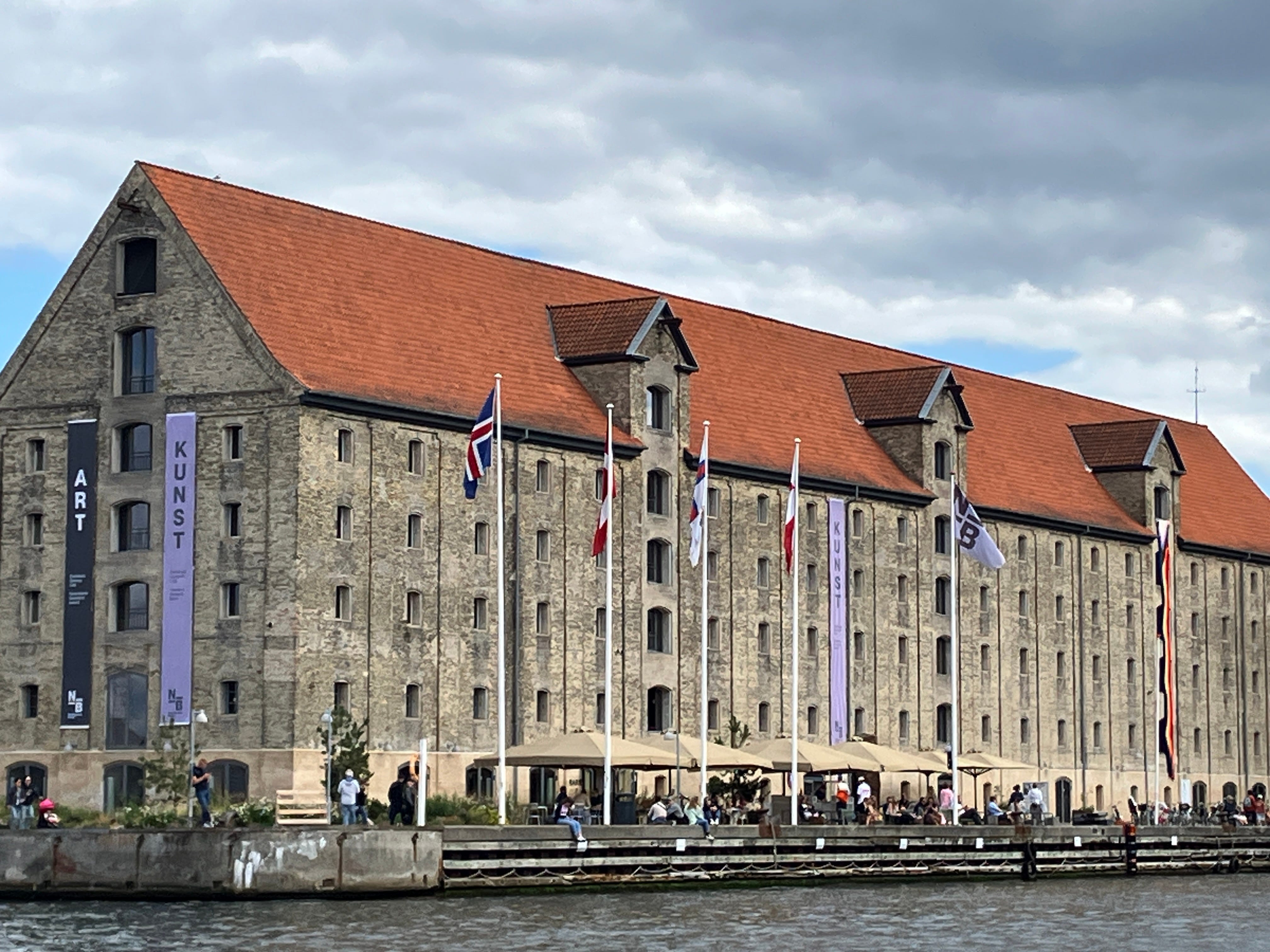
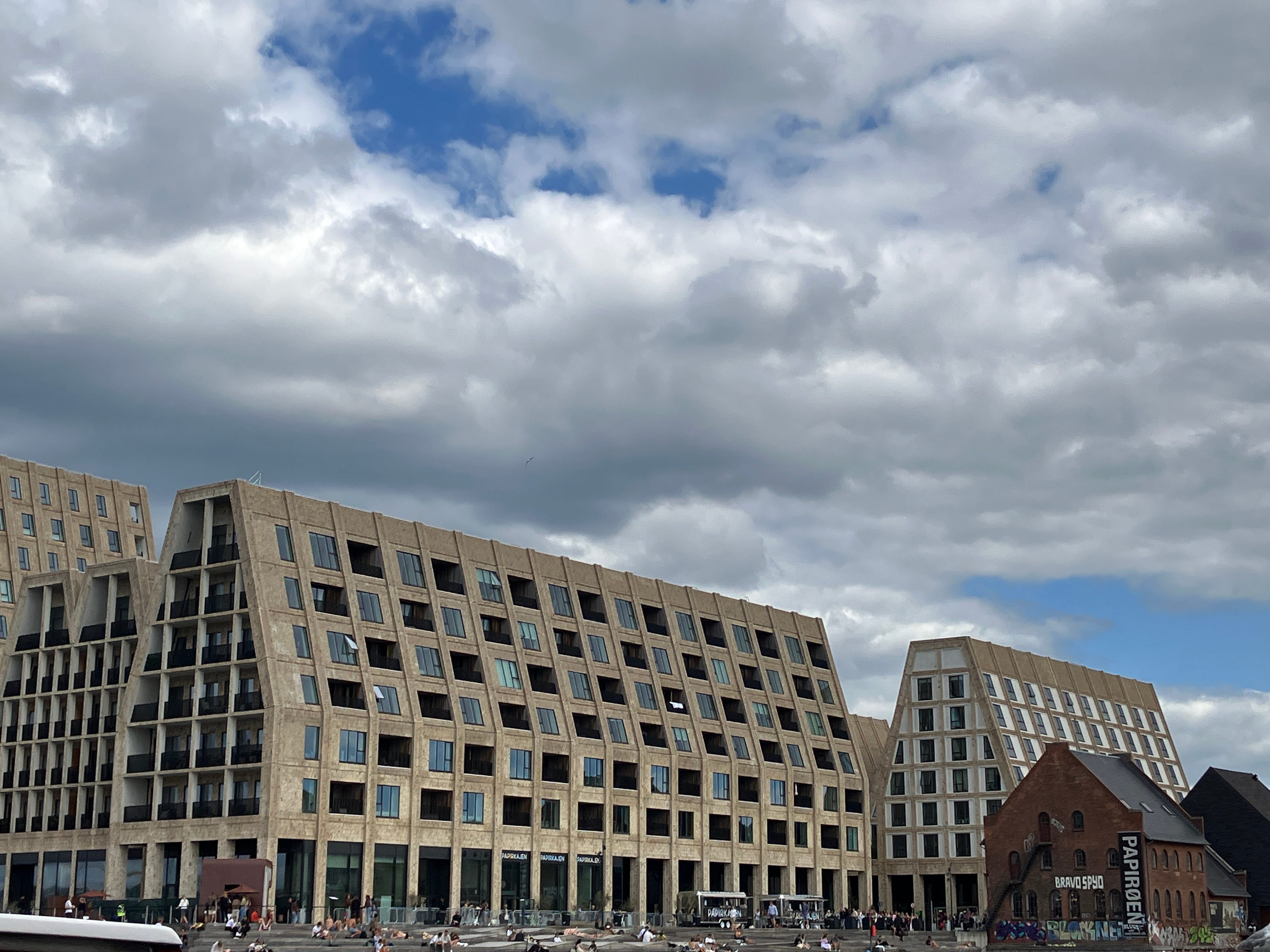
So many shared features, so little shared beauty. Same below.
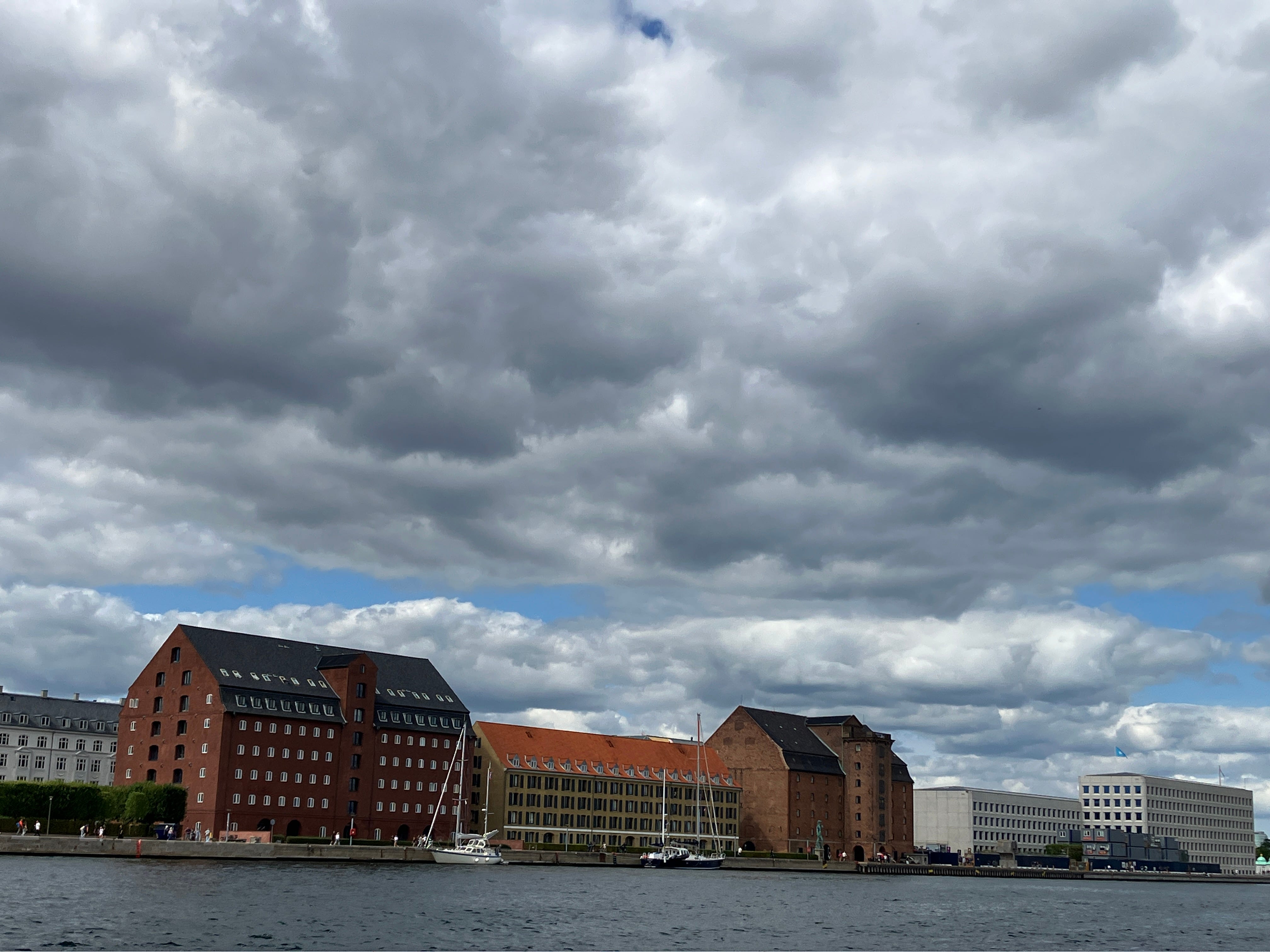
They even had the audacity to put this
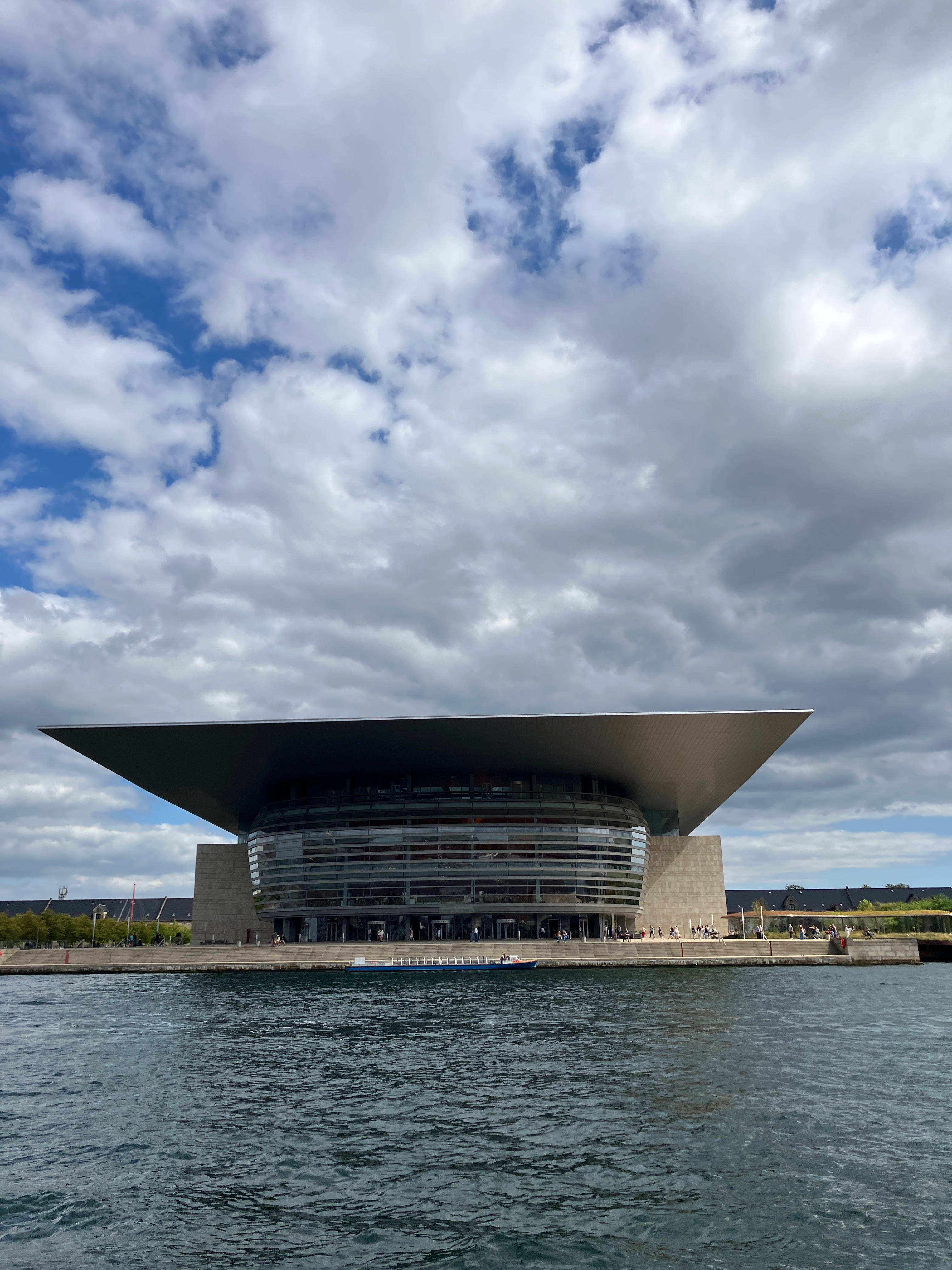
opposite this!
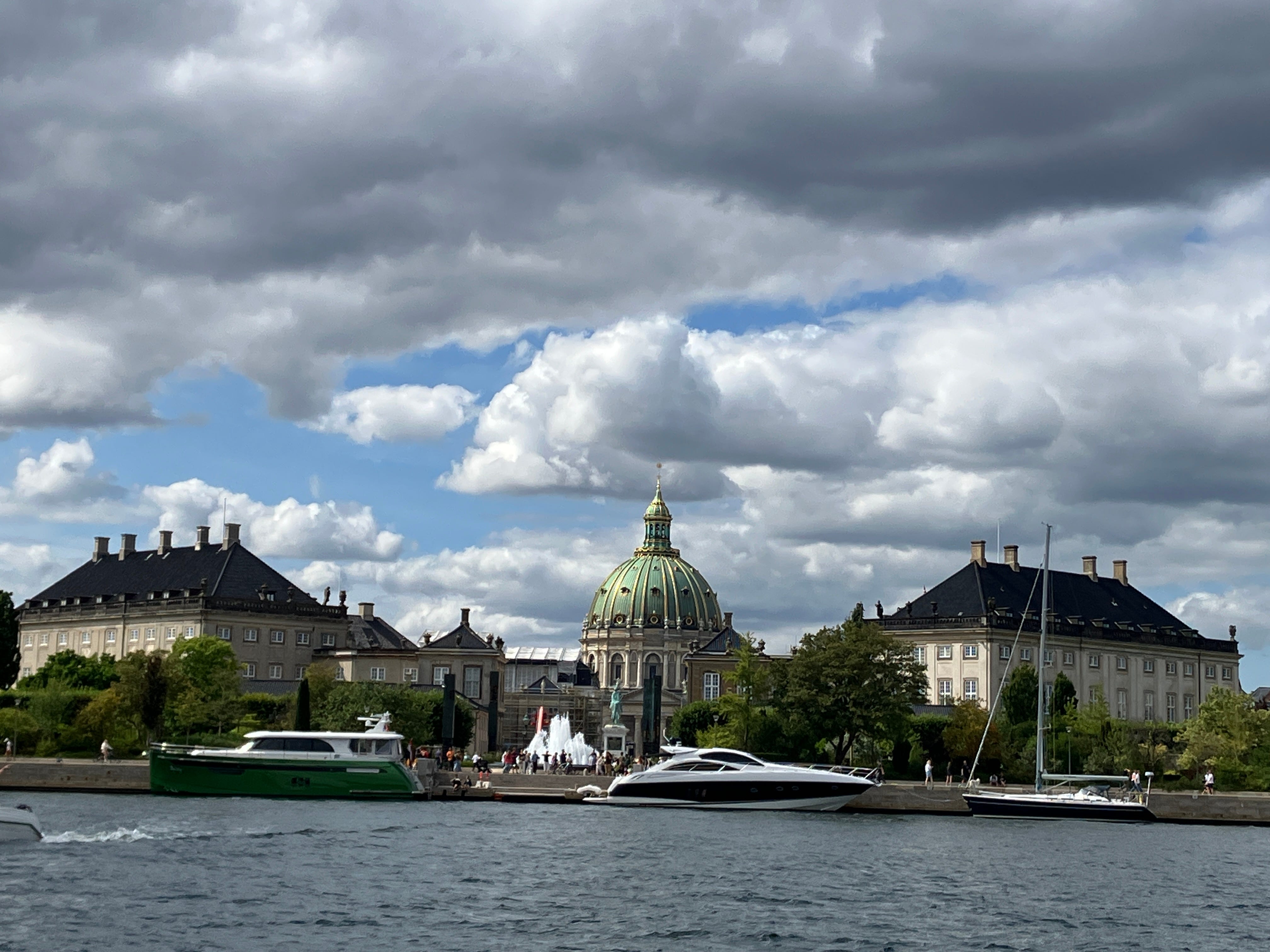
Ghastly. They tell me they all quite like this one, but really—come on… it’s an affront.
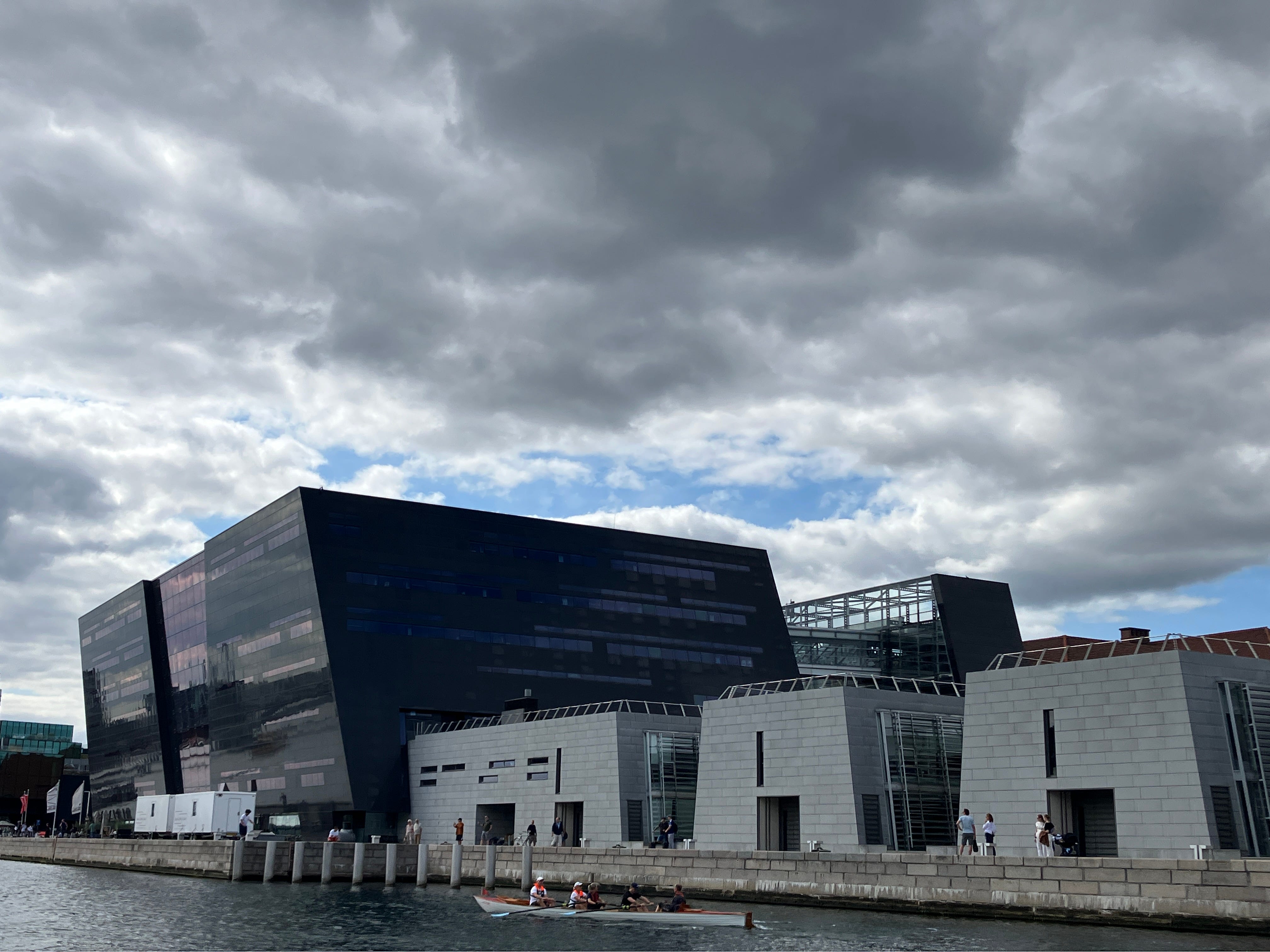
Compared to this? Be serious.
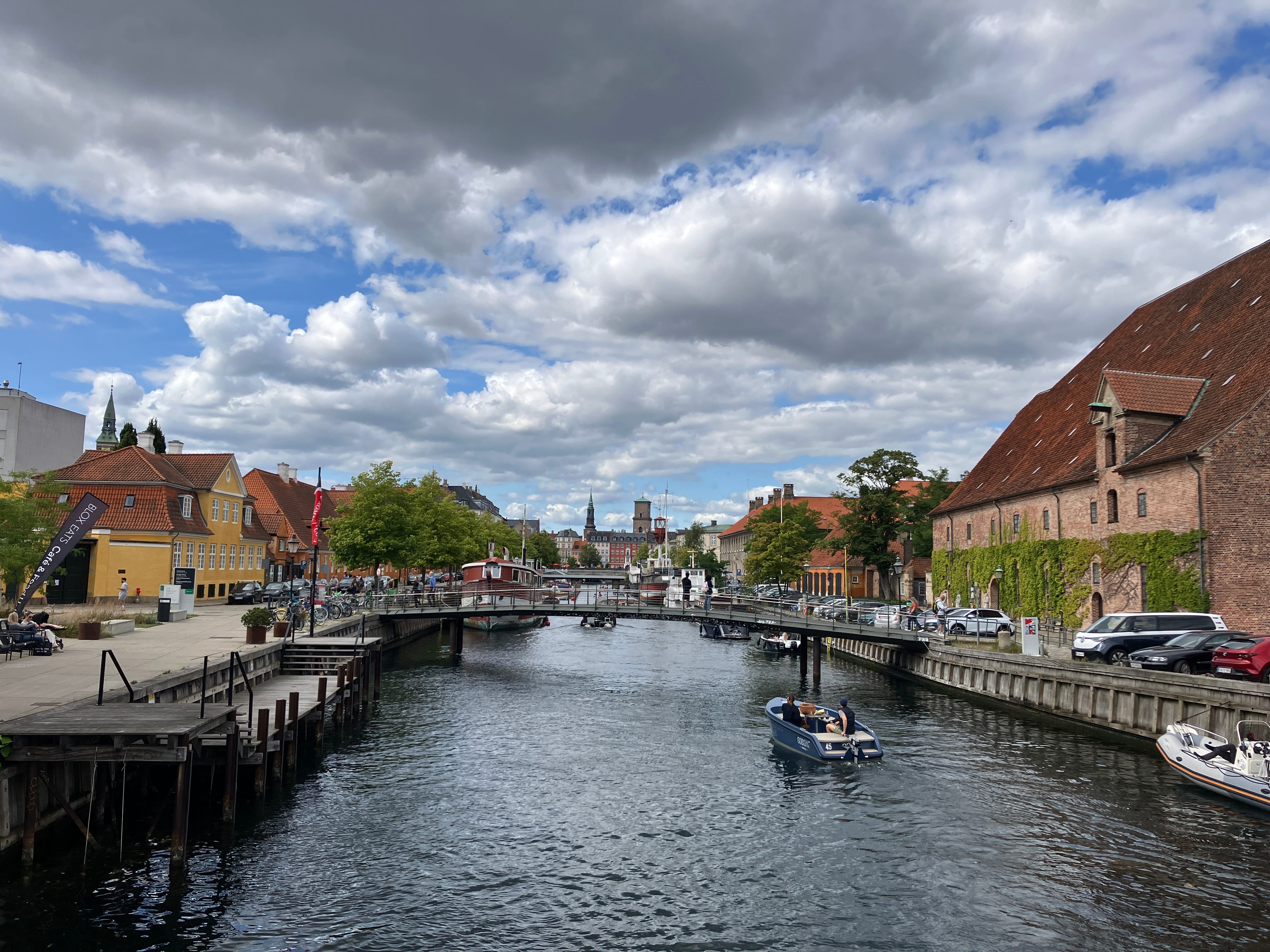
Sometimes the contrast is so obvious it hurts.
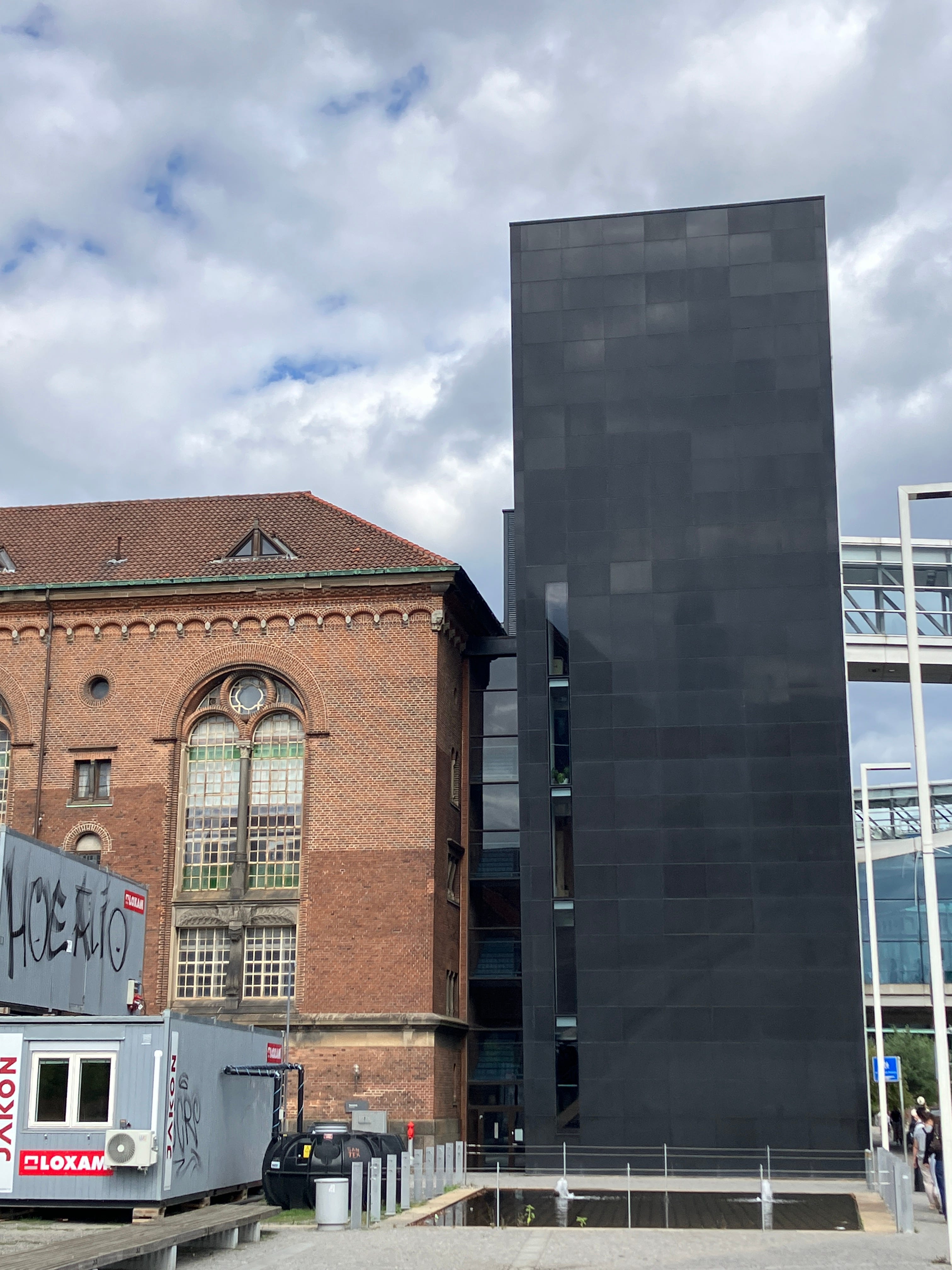
All the architects will tell me I am wrong, but if that black box is architecture, I’m a banana. This is beauty.
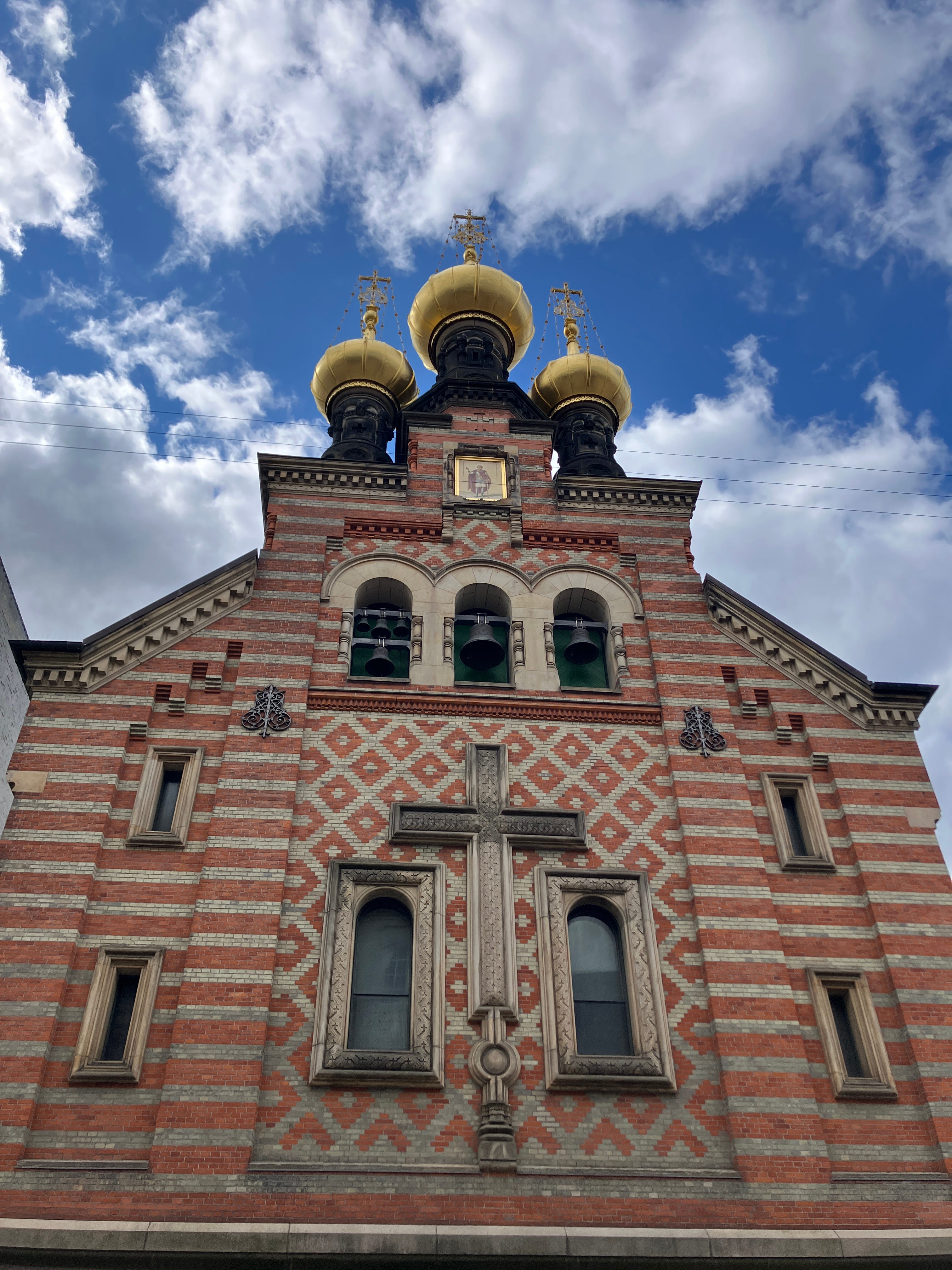
And this.
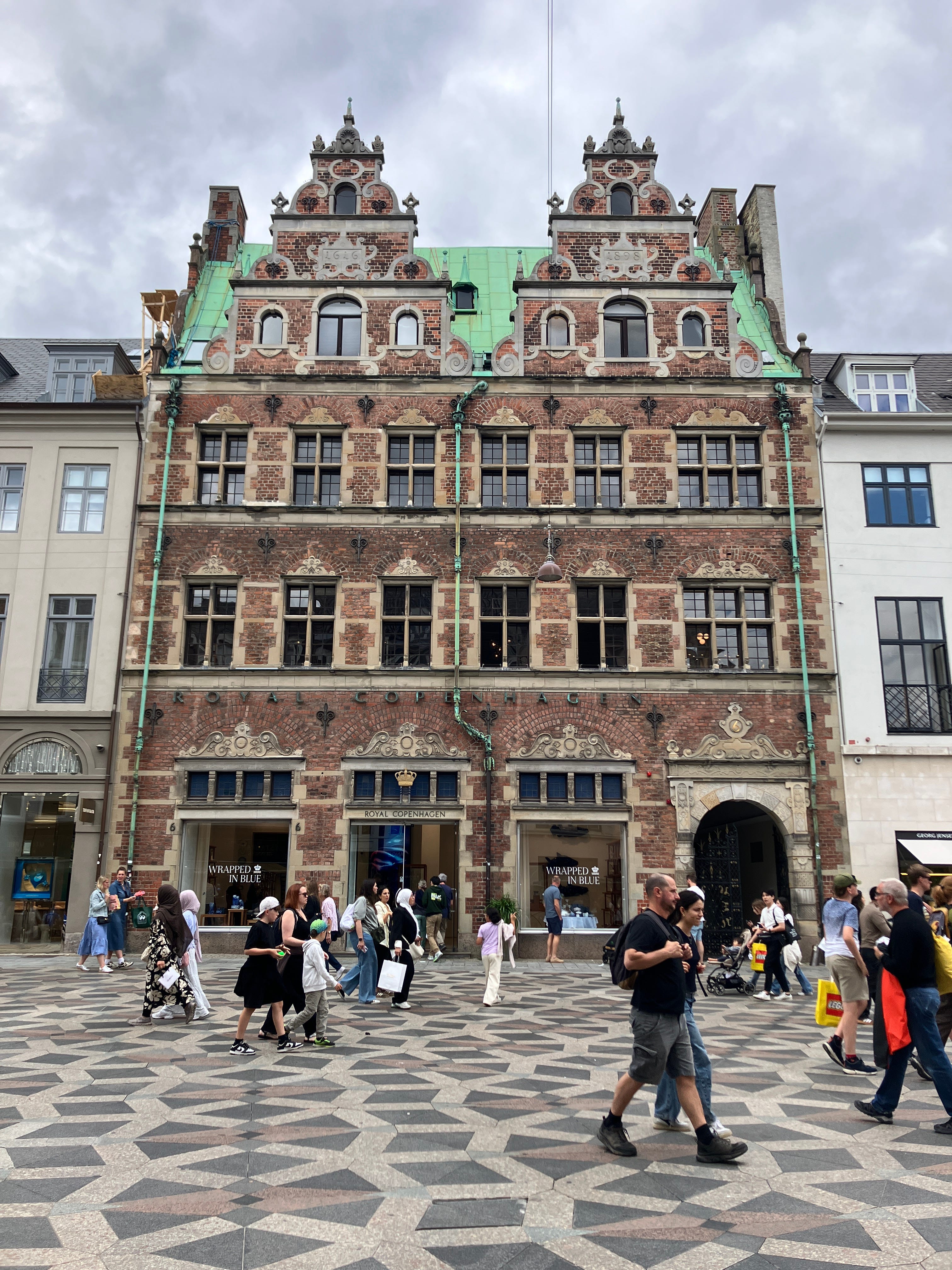
And this. (Ah! I really love this one.)
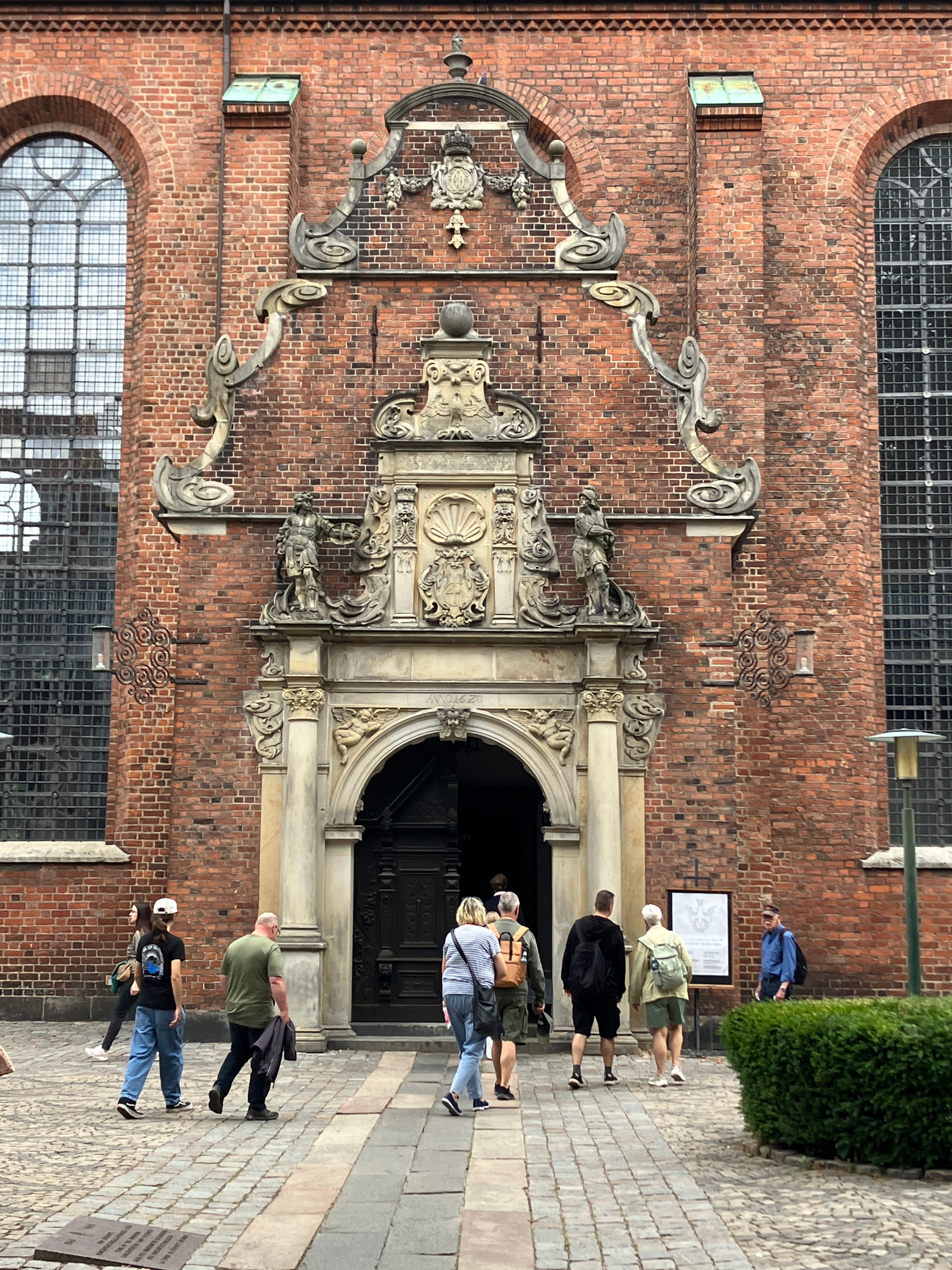
And this.
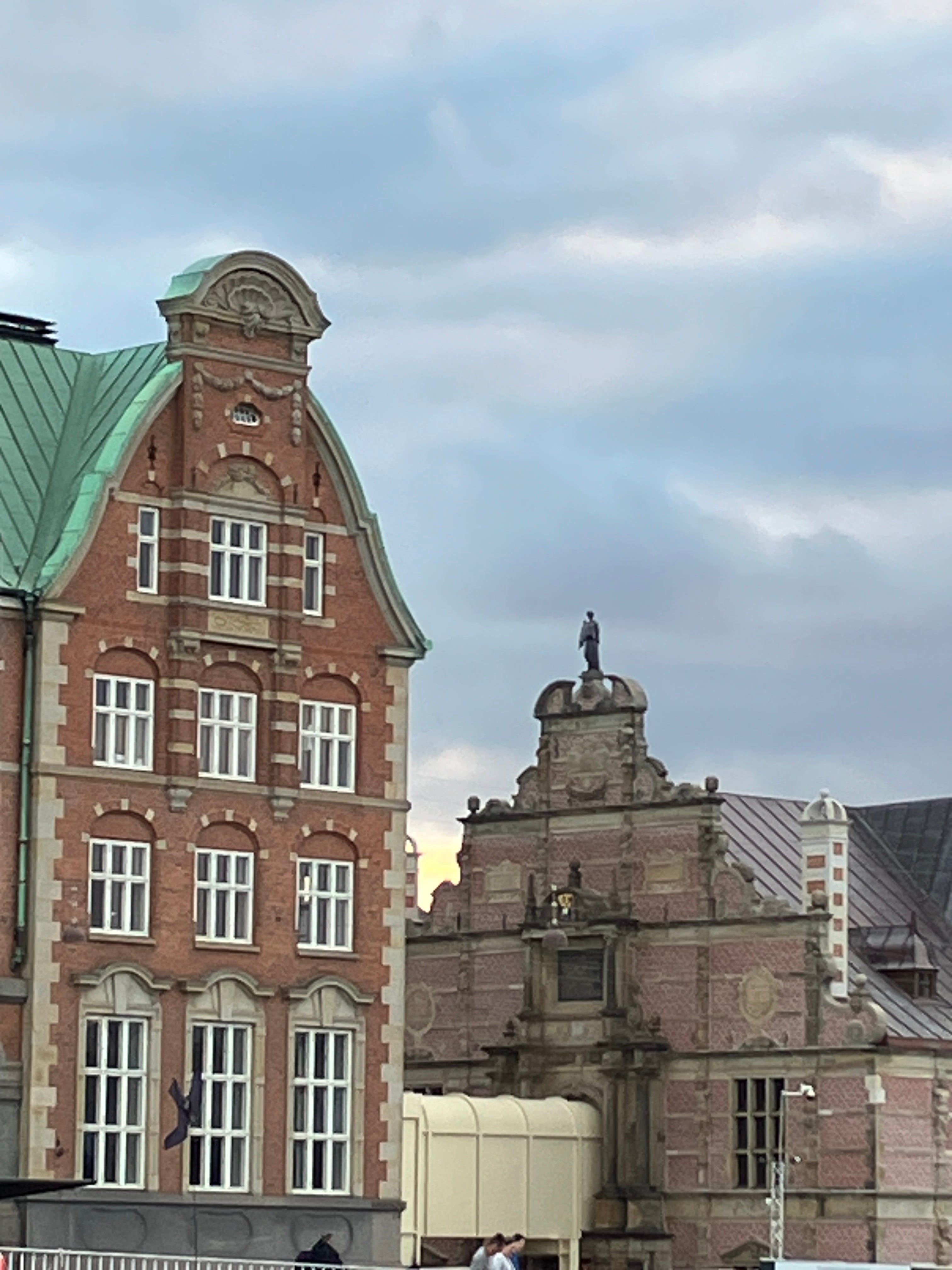
Do we need to continue? Like, do we prefer this?
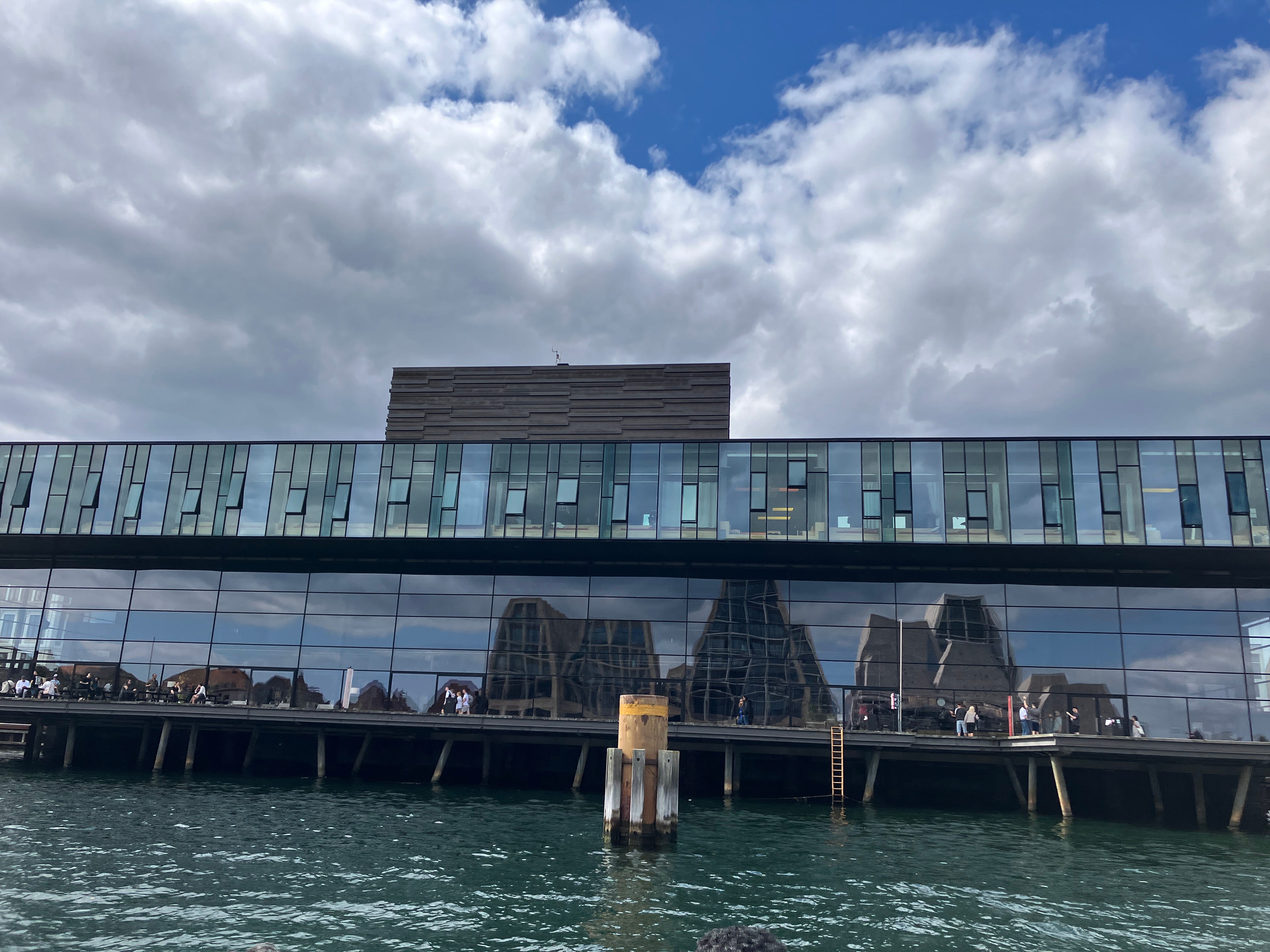
or this?
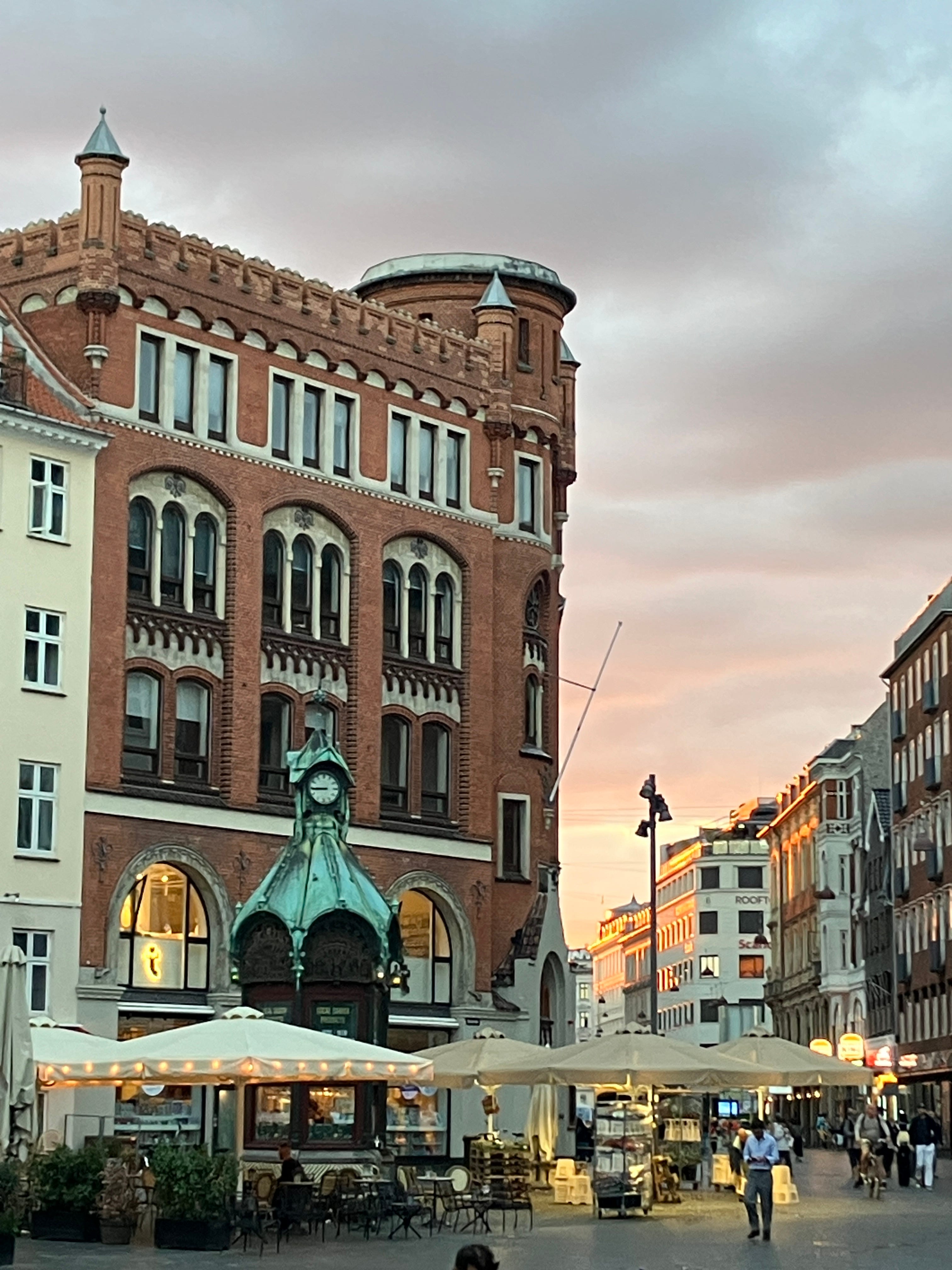
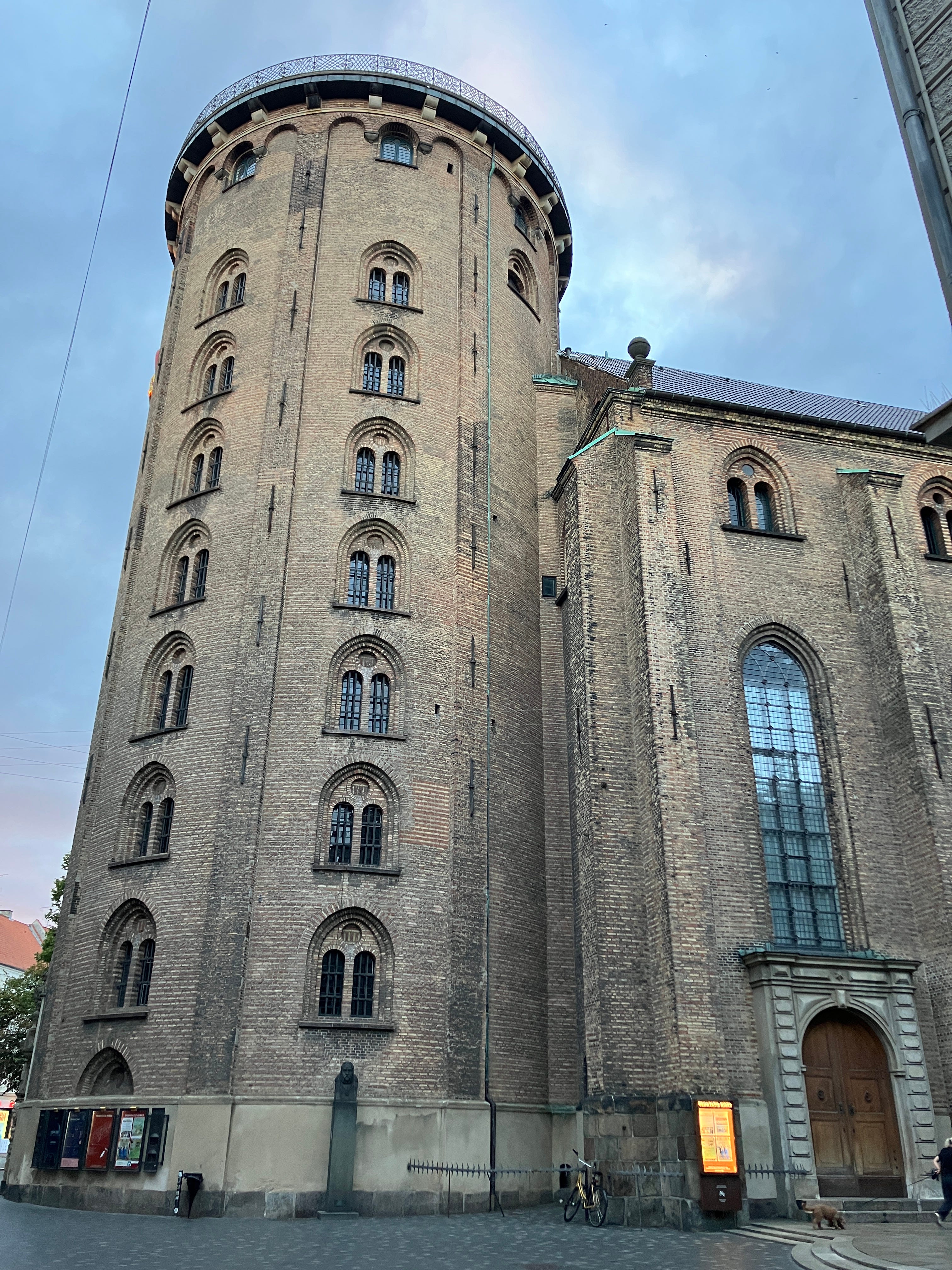
This tower is superb.
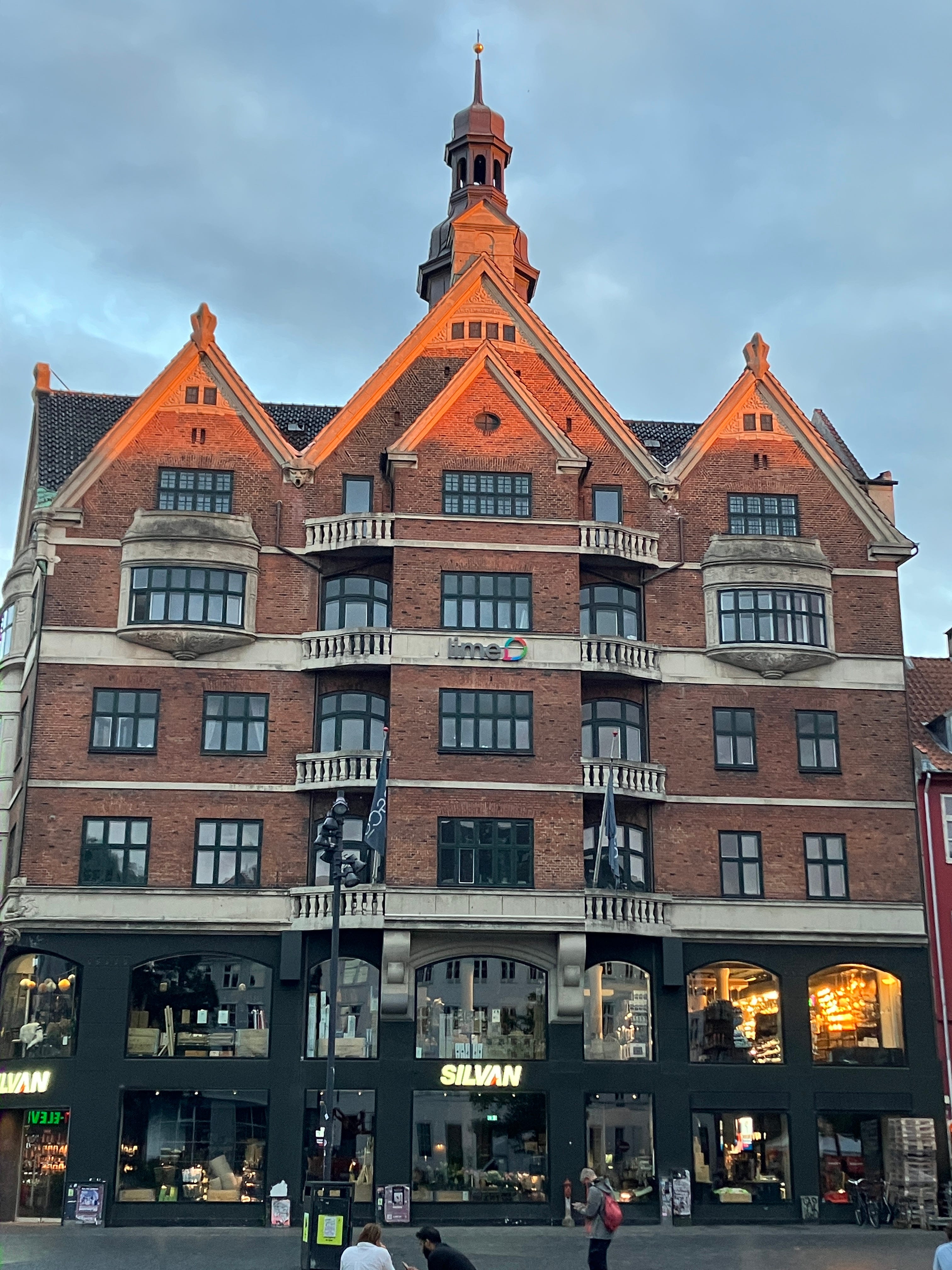
Here are the plainest gables I enjoyed.
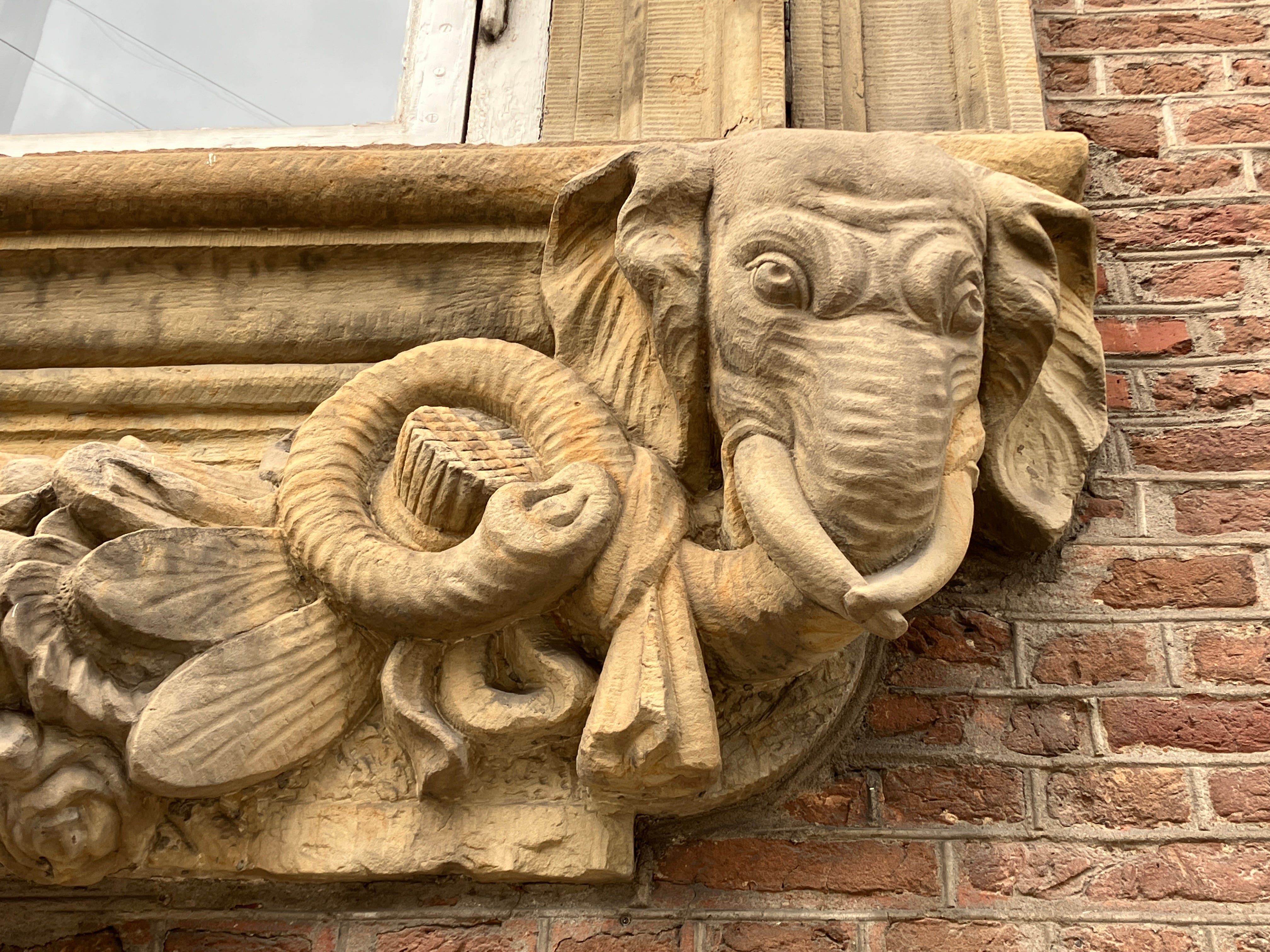
And here’s an elephant.
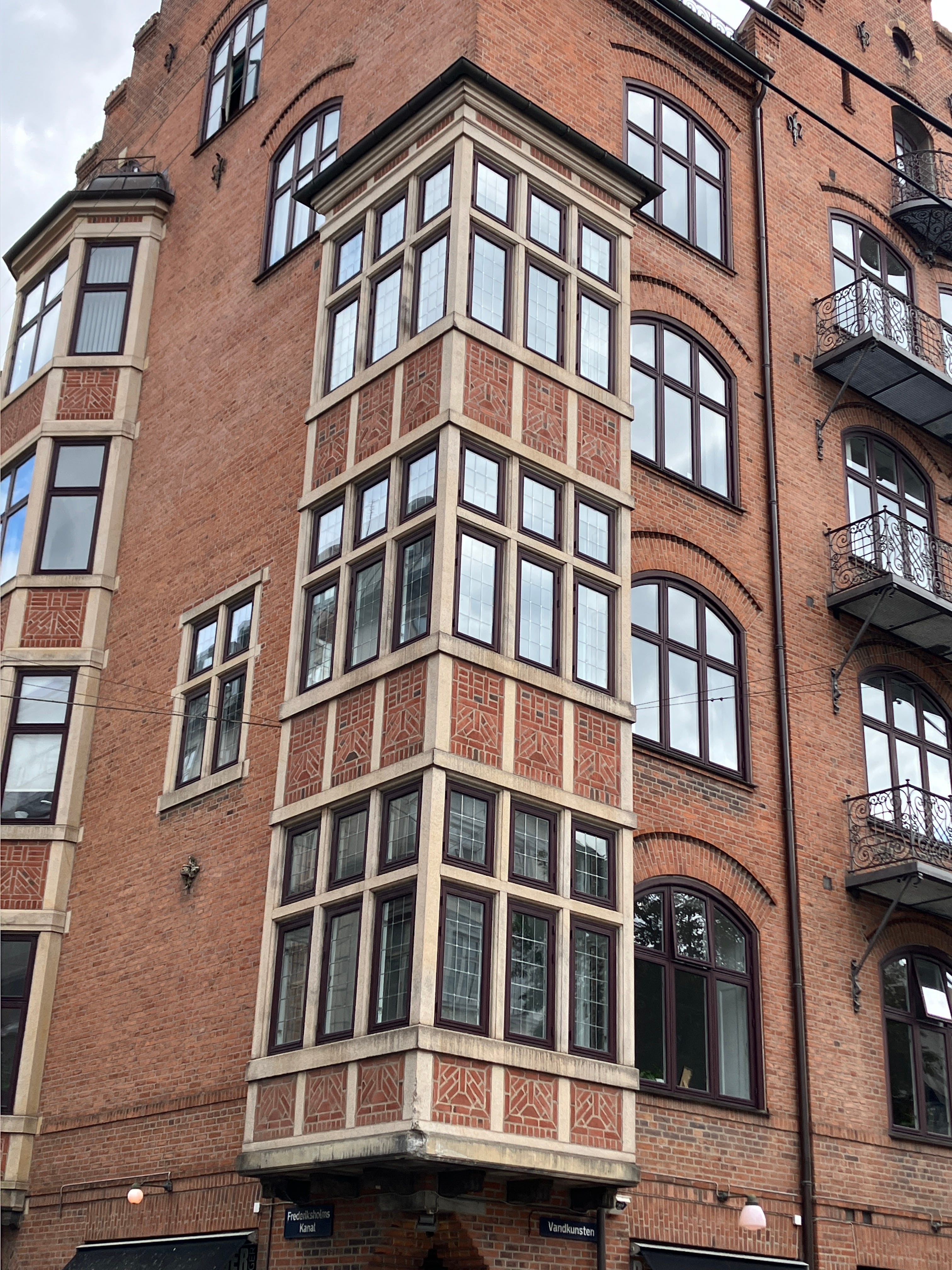
And a three-story square bay, for those who enjoy such things.
I’ll finish with my favourite place here, the interior of Grundtvig’s Church. This was perhaps my most intense architectural experience since going to Frank Lloyd Wright’s Annunciation Orthodox Greek Church.
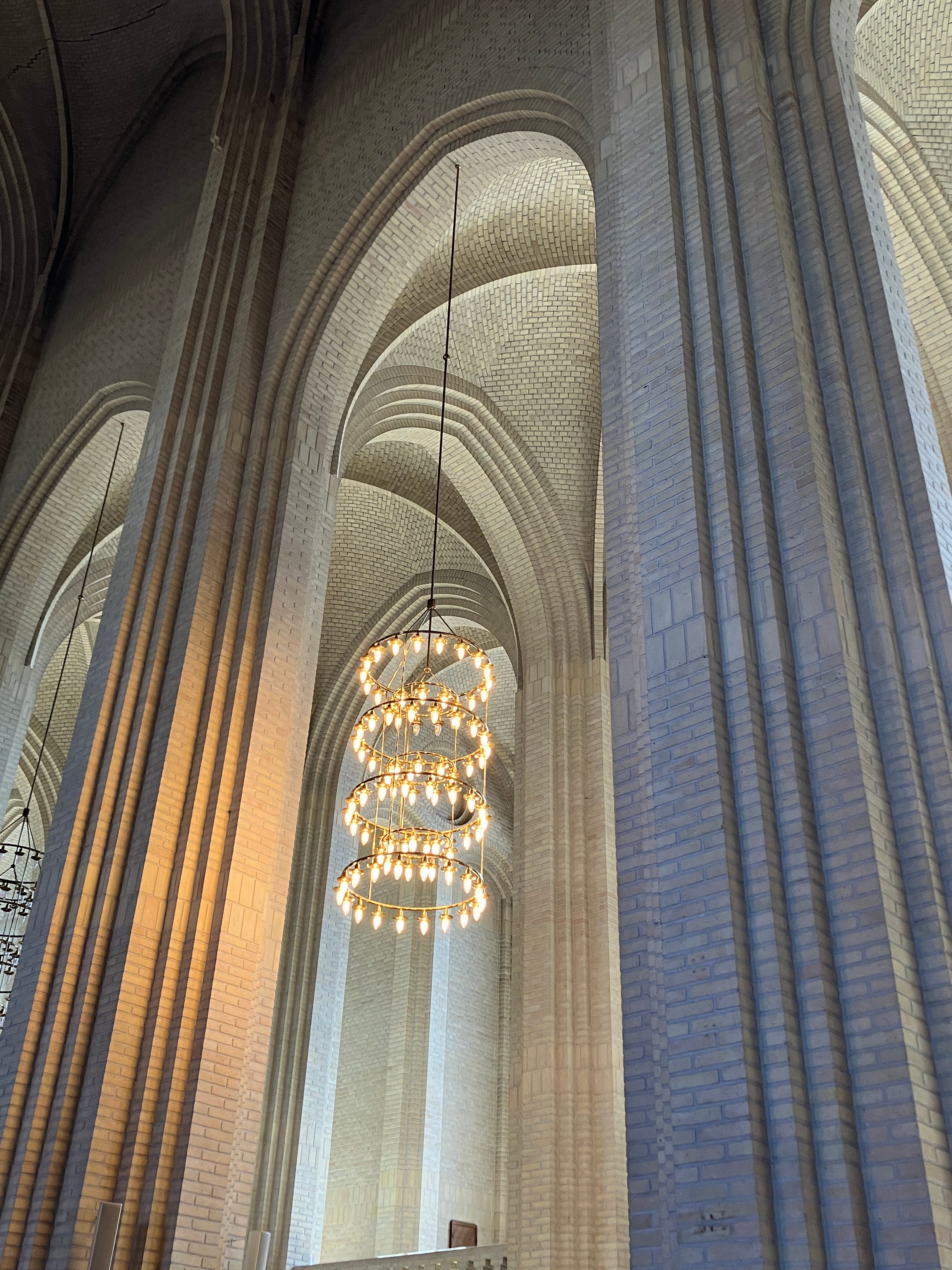
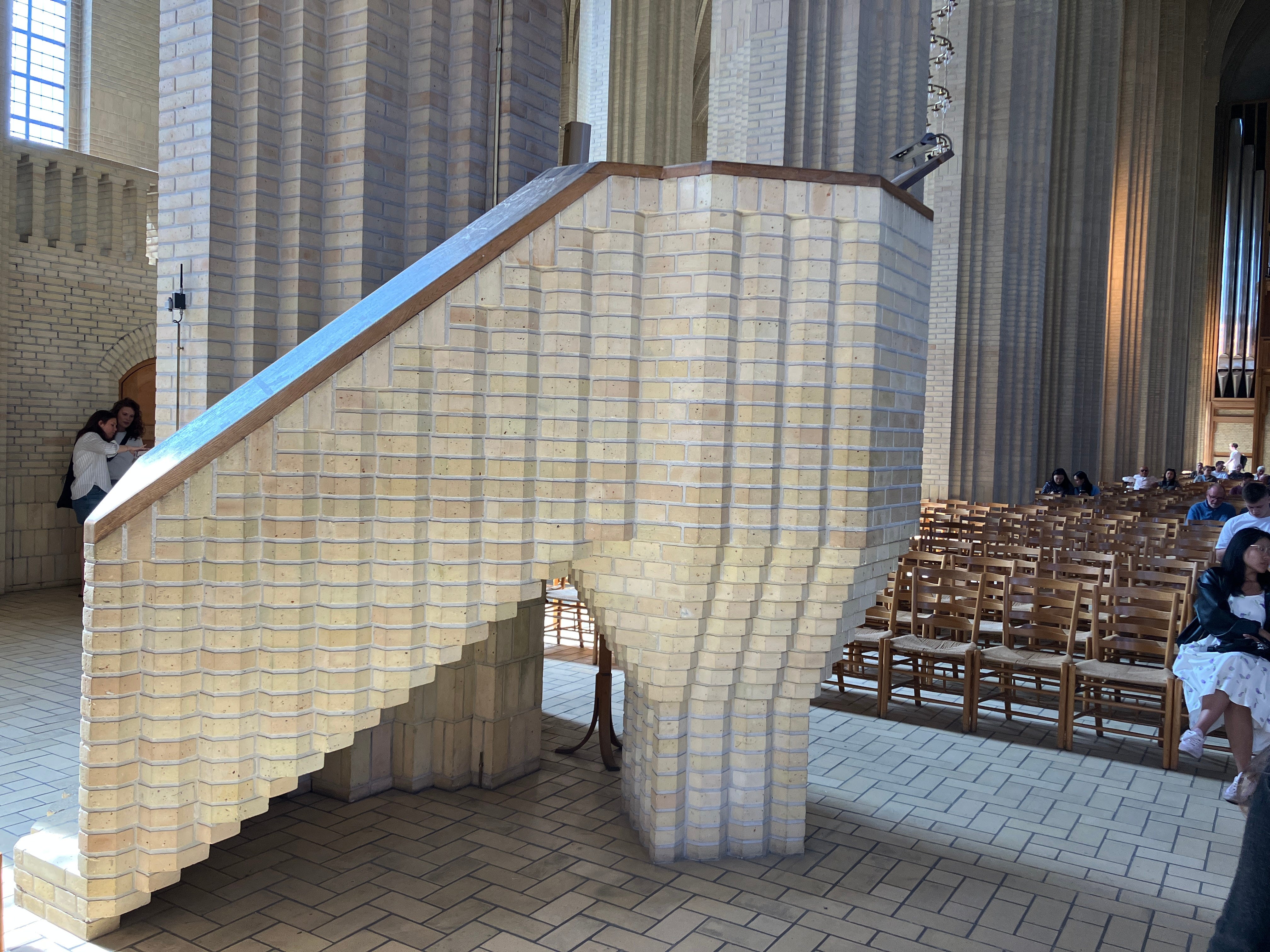
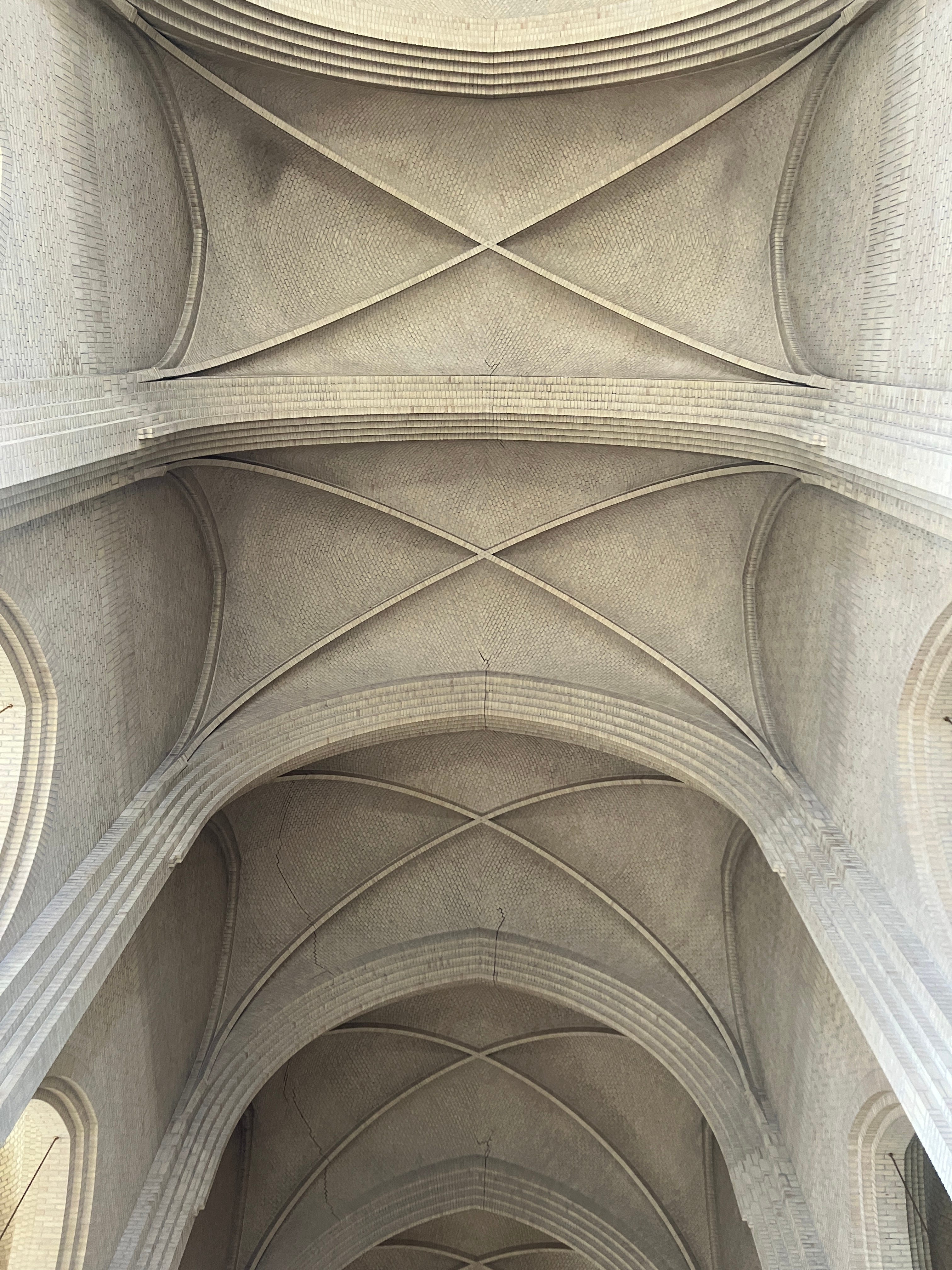
You’re definitely not a banana. Modern and postmodern architecture only rarely makes the soul feel acknowledged, let alone wrapped up and cared for.
I enjoy your second career as a photojournalist.