Educationists would think this was a terrible way to teach poetry; for me, it was pure magic, pure enchantment.
an extract from Jonathan Rose

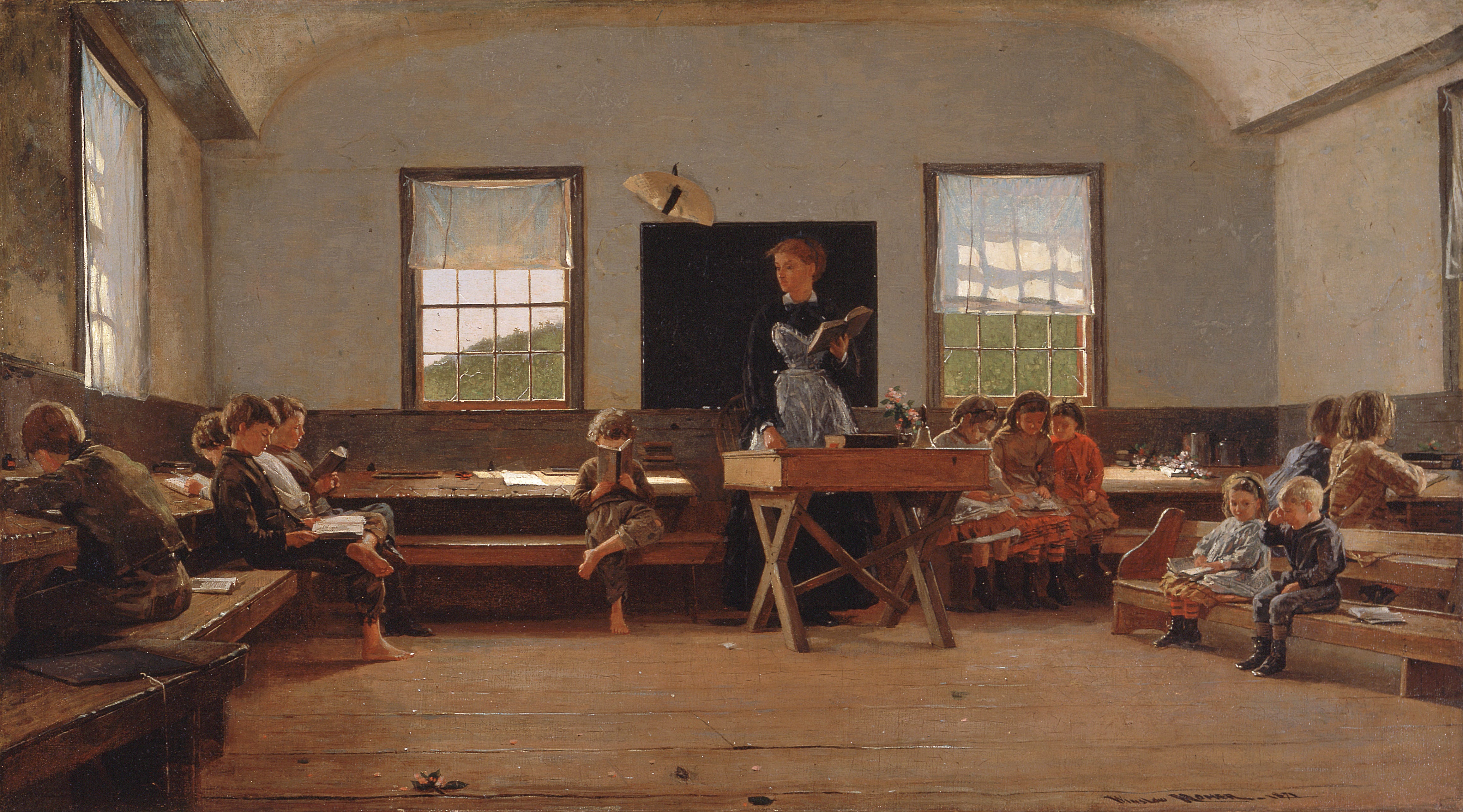
The example of Jane Mitchell (b. 1934), a lorry driver’s daughter who became a lecturer in classics at the University of Reading, demonstrates that even an unusually creative and ambitious student could thrive on the rote method:
I enjoyed the mental drill and exercise I was put through, even the memorizing from our geography book of the principal rivers and promontories of the British Isles, going round the coasts clockwise, and the principal towns, with the products appropriate to each. Arithmetic I enjoyed as an agreeable game, and made it a point of honour to do as much as possible of it mentally. For a year or two, I had what was almost a tic—I would go round compulsively factorizing and multiplying numbers in my head—dates, bus-ticket numbers, anything. … It never occurred to me to question the purposes or methods of what we were made to do at school. The stuff was there to be learned, and I enjoyed mopping it up.
In the same spirit, a Devonshire girl (b. c. 1919) memorized most of the poems in Palgrave’s Golden Treasury
even when not required to do so, and I can recite them to this day. Educationists would think this was a terrible way to teach poetry; for me, it was pure magic, pure enchantment. I loved the poets’ tone of calm authority; they suggested nothing, they stated, not aggressively but with conviction. It was like listening to an argument that had already been won, to a debating motion that had already been carried, to a recorded programme where nothing could go wrong.
Memorization was not incompatible with creativity, an insight put into practice by Bert Linn, one of the most respected and innovative teachers at London’s Paragon school in the 1930s. He taught poetry by giving each boy one line of verse to learn by heart, and then calling on them to recite in order. “His methods might be frowned upon today” [1977], one of his admiring pupils conceded. “Yet they were extremely effective instilling into so many of us boys from the grimy back streets of South London a love of poetry and fine writing which has enriched a lifetime.”
That is all taken from The Intellectual Life of the British Working Classes by Jonathan Rose.
Could I also quote from the same (great) book, on autodidacts and the canon?
"In fact, when autodidacts were asked which books made all the difference to them, they usually pointed to the same canon of “great books” derided by contemporary critics such as Barbara Herrnstein Smith. They knew that Homer would liberate the workers. If classics offered artistic excellence, psychological insight, and penetrating philosophy to the governing classes – if, in fact, this kind of education equipped them to rule – then the politics of equality must begin by redistributing this knowledge to the governed classes” (p. 7).
The Intellectual Life of the British Working Classes is a wonderful book. It was a revelation to learn why my illiterate great-grandfather had a cherished collection of Illustrated London News locked in a glass-fronted cabinet in Banff, Alberta, far from the London streets of his boyhood.